
Introduction: The World Health Organization (WHO) recommends that traditional pharmacopoeia plants be used to improve access to low-cost treatment for our populations. As a result, a wide variety of recipes purporting to be made from plants are available on the market without any checks on their conformity. This is the case with "Antidouleur X", which is used to treat chronic pain and is widely used by the elderly in Abidjan.
The aim of our study was to determine the composition and to assess the safety of "Painkiller X" under the conditions in which it is used by patients.
Methods: An analysis of the conditions of use of the recipe was carried out on the basis of requests for expert opinions sent to the Toxicology Laboratory. An acute oral toxicity test on rats was carried out in accordance with OECD protocol 420. Three dose levels corresponding to one, two and three times the human equivalent dose (HED) were tested. In addition, microscopic analysis and non-targeted screening by GC-EI-MS were carried out to elucidate the composition of 'Painkiller X'.
Results: At the dose recommended by the tradipratician (HED), "Painkiller X" caused significant weight loss in the rats. When overdosed (3xHED), severe digestive symptoms such as cramps and abdominal pain were observed at Day3, and two deaths were recorded at Day6. Microscopic analysis revealed plant elements. GC-EI-MS screening identified indomethacin, a synthetic non-steroidal anti-inflammatory drug.
Conclusion: Painkiller X, falsely presented as a plant extract, actually contains a chemically synthesised anti-inflammatory agent which, when administered over the long term, can cause serious gastric ulcers and nephrotoxicity in elderly patients.
Plant extracts, Pain relief, Adulteration, Indometacin, Acute toxicity, GC-EI-MS
The promotion of plants used in traditional medicine is recommended by the World Health Organisation (WHO) to improve access to low-cost treatment for populations [1]. Currently, it is estimated that over 80% of the population in African countries use traditional medicine, particularly medicinal plants, to meet their primary health needs [2,3]. Based on a long tradition of use in Africa, medicinal plants have always been regarded by local populations as a reliable, safe, accessible and affordable source of healthcare [4].
Furthermore, due to the adverse effects associated with certain synthetic drugs and the cultural values associated with medicinal plants, their use has experienced a resurgence in popularity among population in Sub-Saharan Africa [5]. Globally, according to WHO projections, by 2050 the demand for medicinal plants will reach approximately US$5 billion per year. This explosion in the use of medicinal plants affects both developed countries and countries with limited resources [6].
In Africa, nearly 6,000 plant species are traditionally used for disease management [7]. The trade in these medicinal plants is an important economic driver that enables millions of people in the informal sector to generate substantial income [8]. Thus, a wide variety of medicinal recipes presented as being composed of plants are available on the market without any control sof their conformity [9,10].
The weak regulation of the market for medicines derived from traditional African pharmacopoeia and poor manufacturing practices by some traditional practitioners may expose users to unintentional poisoning [10,11].
Indeed, motivated by the desire to obtain more powerful effects and faster action, certain undeclared substances, particularly synthetic chemicals, may be illegally added to herbal preparations [12-14].
This type of economically motivated falsification is currently a growing phenomenon worldwide [3], which also concerns Côte d'Ivoire.
In 2024, the Ivorian Pharmaceutical Regulatory Authority (AIRP) withdrew several traditional medicine products (TMPs) indicated for the treatment of erectile dysfunction from the market after they were found to be adulterated with sildenafil [15]. This falsification was highlighted following reports of serious adverse reactions to the AIRP Pharmacovigilance Committee. Despite this alert, several MTAs presented as being composed exclusively of medicinal plants are still available on the local market without authorisation, exposing vulnerable populations to new risks. This is the case with " Antidouleur X ", which is indicated for the treatment of chronic pain and widely used by elderly people in Abidjan.
This recipe is regularly submitted to the National Public Health Laboratory (NPHL) and the Toxicology Laboratory of the Training and Research Unit (TRU) Pharmaceutical Sciences due to its powerful analgesic properties, but also because of recurring adverse effects in elderly subjects.
The objective of our study was to determine the composition and evaluate the safety of use of " Antidouleur X " under the conditions of use by patients in Abidjan.
All requests for expert opinions on the powder " Antidouleur X " sent to the Toxicology Unit of the National Public Health Laboratory (NPHL-CI) and the Toxicology Laboratory of the Faculty of Pharmaceutical Sciences between January 2020 and December 2024 were selected. A data extraction form was used to summarise information on the identity of the applicant, the reason for the request for analysis, the source of the medicinal plant sample, the characteristics of the patient (age, sex, comorbidity), the indication for treatment, the dose administered, the treatment regimen, the adverse effects observed and the use of other medicines.
The contents of the individual packages were weighed using a Denver Instrument SI-403 precision scale (max = 400 g; d = 0.001 g).
The colour, odour, taste and texture of the powder were evaluated by sensory analysis, and the packaging was described. Basic physical and chemical characteristics, such as pH and solubility, were measured by potentiometry and shaking test.
A microscopic analysis of samples of " Antidouleur X " powder was carried out using an Optika Italy optical microscope, version 2.1, coupled with a tablet. The purpose of this analysis was to identify microscopic elements confirming the herbal origin of the samples, in particular the observation of histological and anatomical elements constituting the plants used [16]. The elements identified at magnifications GX10 and GX40 were photographed.
In addition, the samples were compared with reference powders obtained from powdered plant drugs available in the sample library of the Pharmacognosy Laboratory of the Pharmaceutical Sciences Department.
The composition of the samples was determined by non-targeted screening using an Agilent 7890B gas chromatograph coupled with an Agilent 7000 C mass spectrometer. The system was equipped with an ALS 7696 automatic sampler and a multimode automatic injector. The column was an HP-5M 30 m × 0.250 mm × 0.25 µm type. Detection was performed after electron impact ionisation using helium as the carrier gas.
For each batch of samples, 50 mg of powder was diluted in 10 mL of methanol (MS grade) before undergoing solid phase extraction on an OASIS HLB cartridge, 3cc, 80 mg, manufactured by Waters™. Identification was performed after injection in Full Scan mode, under the following chromatographic conditions:
- Injection mode: without division
- Injector temperature: 200°C
- Oven temperature gradient: 100 to 300°C
- Analysis time: 50 minutes.
The mass spectrum extracted from the chromatographic peak of interest was compared with the reference spectra in the NIST 20 database.
According to the information contained in the request for expert opinion, the dose to be administered to adults in cases of pain was one sachet diluted in a teacup of water. This dose corresponds to 2.22 grams of powder in 50 millilitres of water, or 37 mg/kg body weight (adult weighing 60 kg).
The initial dose to be administered to experimental animals (EA) was calculated based on the following equation [17,18]:
Équation 1: AED (mg/kg) = Human Dose (mg/kg) × (Human Km / Animal Km)
With: AED = Animal Equivalent Dose
Human Dose = dose administrated to the human
Animal Km = conversion factor based on the animal's body surface area
Human Km = conversion factor based on human body surface area
Extrapolation data :
- Human reference weight: 60 kg
- Human Km: 37
- Human dose: 37 mg/kg
- Animal Km (rat): 6
We simultaneously tested three (3) doses of the powder to be administered to the animals:
- Lot 1: the dose equivalent to the prescription given by the traditional practitioner or seller to the patient (AED = 228 mg/kg bw of rat)
- Lot 2: twice (2) the dose equivalent to the prescription given by the traditional practitioner or seller to the patient (2 × AED = 456 mg/kg bw of rat)
- Lot 3: three (3) times the dose equivalent to the prescription given by the traditional practitioner or seller to the patient (3 × AED = 684 mg/kg bw of rat)
We conducted an acute oral toxicity test on laboratory animals in accordance with OECD Protocol 420 (2002) [19].
The test was conducted with four groups of five (5) male albino rats at the animal facility of the Faculty of Pharmacy, Félix Houphouët-Boigny University, Abidjan. The animals underwent a 48-hour acclimatisation period (25 o C ± 5 o C and a 12-hour light/dark cycle). After weighing the animals, a single dose of the reconstituted powder solution sample "Painkiller X" in distilled water was administered by gavage at doses equivalent to the recommended human dose (Lot 1), twice the recommended human dose (Lot 2) and three times the recommended human dose (Lot 3). At the same time, a batch of 5 mice received distilled water as a comparison (control batch).
The animals were observed for 14 days, from 1 to 14 March 2024, for behavioural abnormalities, signs of nervous damage, skin abnormalities, signs of digestive damage or death compared to the control rats.
The weight curve was also studied to determine whether there was any statistically significant weight loss following administration of the product.
The handling and care of the experimental animals were carried out in strict accordance with ethical rules as set out in the European Convention on the Protection of Vertebrate Animals used for Experimental and other Scientific Purposes [20]. Experimental procedures with animals were approved by the Institutional Animal Ethics Committee of UFR Pharmaceutical and Biological Sciences (IAEC/UFRSPB/UFHB/N o 2022/03).
Overall, eight batches of samples of the recipe " Antidouleur X " were submitted for expert analysis to the LNSP or LTHAI during the study period. Information on the requests for expert analysis of the batches of samples collected is summarised in (Table 1).
Table 1: Data relating to requests for expert opinions on "Painkiller X" from 2020 to 2024. View Table 1
The average age of users was 60.8 years old. ± 24.2 years, with a median age of 70 years (range = 12 to 75 years). Requests for analysis were made by users (N = 2), parents of users (N = 2) and healthcare professionals (N = 4). The indication reported by the requesters was invariably the treatment of a chronic painful condition. The main reason for the request was related to concerns about the safety of the medicine.
The powder was packaged in plastic bags with a knot containing an average unit dose of 2.22. ± 0.25 grams (N = 8). The samples were in the form of a fine, homogeneous, light brown powder (Figure 1). The packaging, which was very artisanal, did not indicate the batch number, manufacturer's name, place of manufacture, date of manufacture or expiry date. Furthermore, there was no indication of the powder's composition on the packaging.
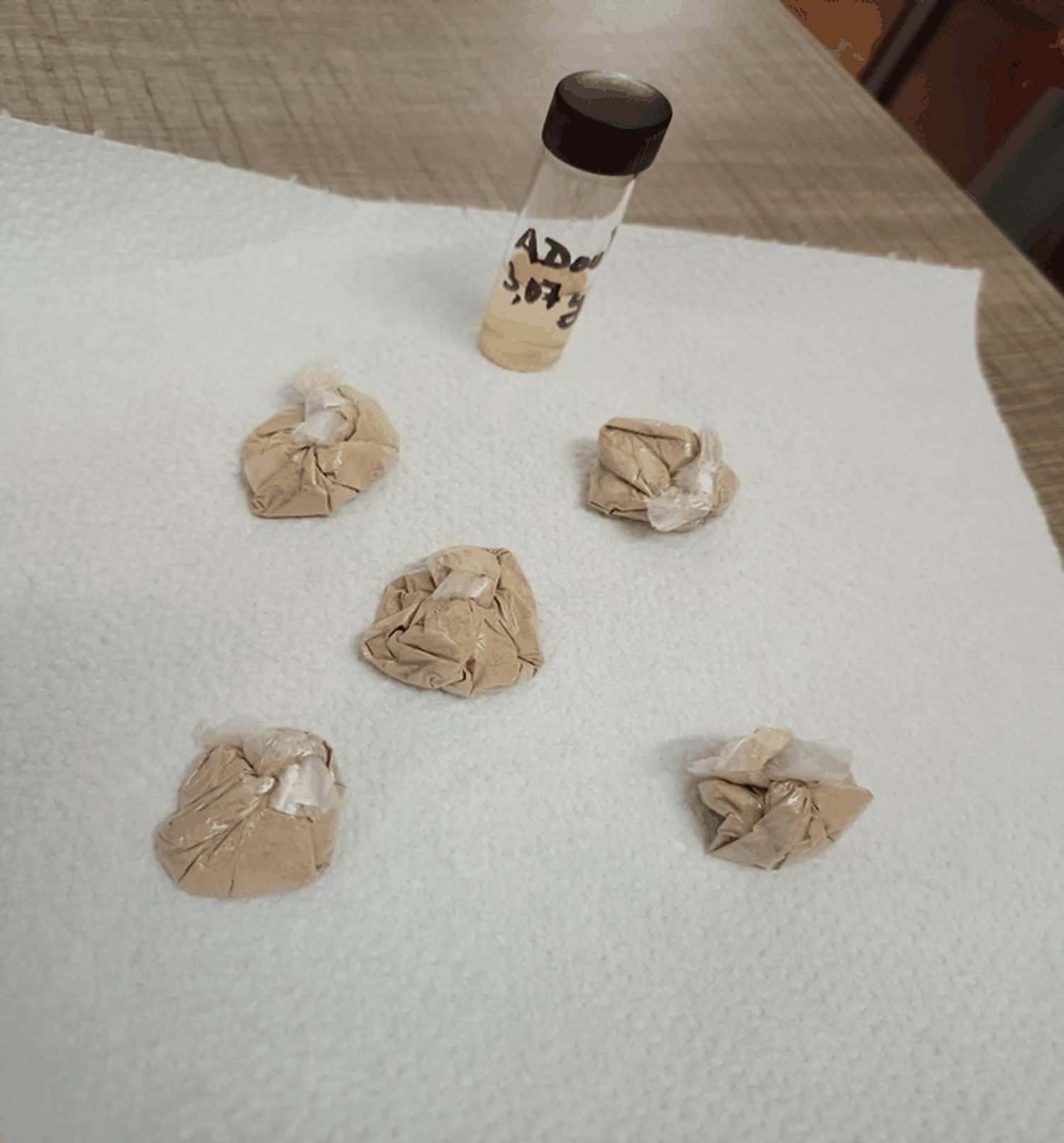 Figure 1: Powder samples of "Painkiller X" from different batches submitted for analytical testing.
View Figure 1
Figure 1: Powder samples of "Painkiller X" from different batches submitted for analytical testing.
View Figure 1
The pain-relieving powder submitted by the applicants was very poorly soluble in water but soluble in organic solvents, particularly methanol.
The powder diluted in distilled water had a pH between 6.5 and 6.8.
Microscopic analysis of the " Antidouleur X " powder revealed epidermal debris, starch grains and calcium oxalate crystals, on a red-orange background, suggesting a plant origin for the samples (Figure 2a, Figure 2b and Figure 2c).
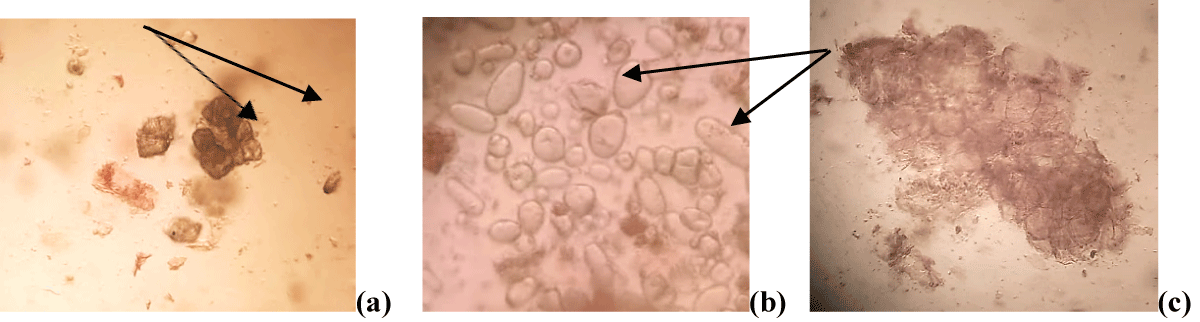 Figure 2: Microscopic elements found in the powder "Antidouleur X" a) calcium oxalate crystals (KOH, GX10); b) starch grains (H₂O, GX40); c) epidermal fragments (KOH, GX10).
View Figure 2
Figure 2: Microscopic elements found in the powder "Antidouleur X" a) calcium oxalate crystals (KOH, GX10); b) starch grains (H₂O, GX40); c) epidermal fragments (KOH, GX10).
View Figure 2
A comparison with reference powders from the sample library (turmeric, kola and kaolin) did not reveal any similarities with our sample.
Separation by gas chromatography detected a peak of interest in the analysed batches at retention time tR: 48.8 minutes. Extraction of the mass spectrum corresponding to this peak identified indomethacin methyl ester (similarity: 87.5%), a chemically synthesised non-steroidal anti-inflammatory drug, by comparison with the NIST database version 20 (Figure 3).
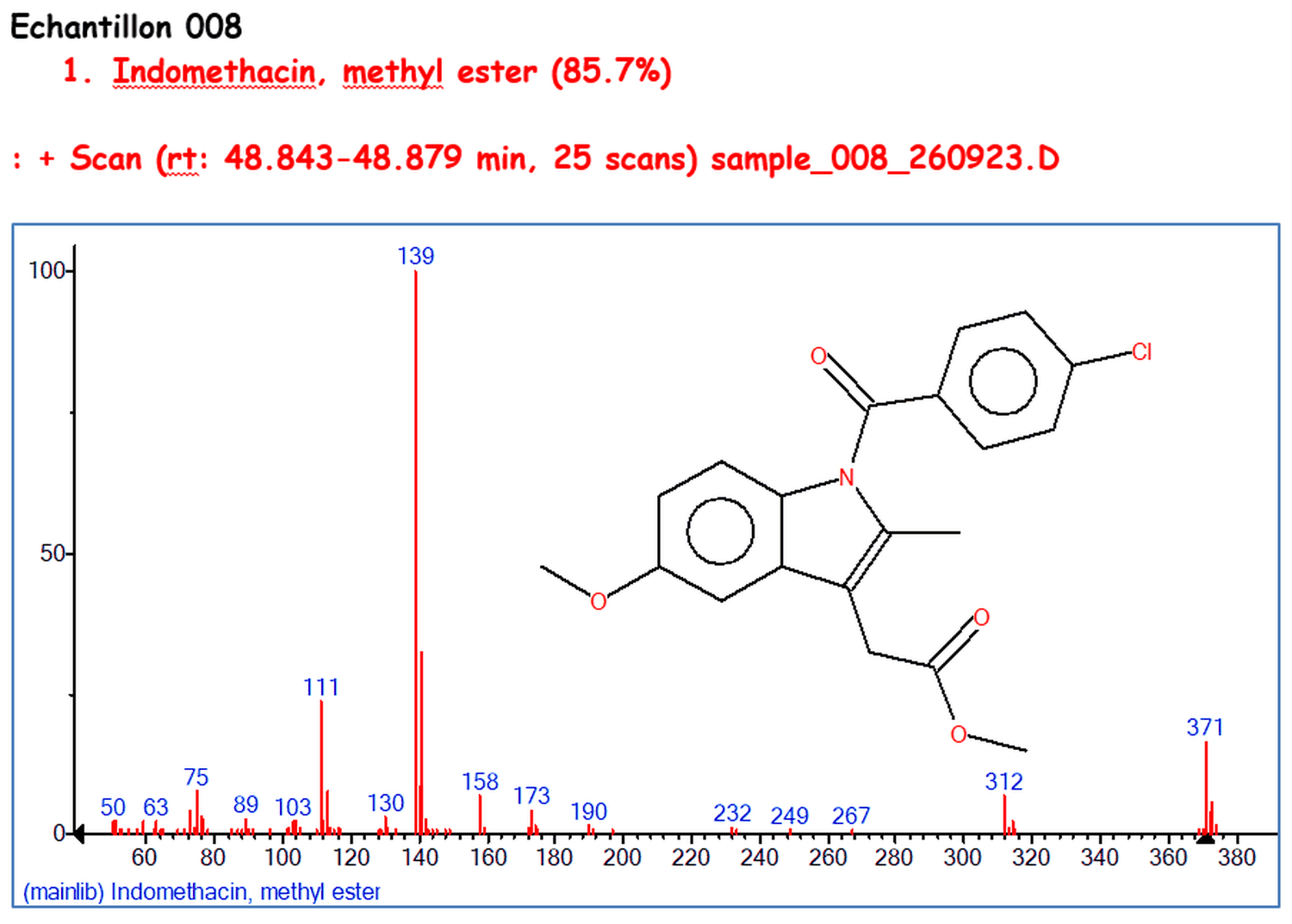 Figure 3: Mass spectrum and molecular structure of the active substance contained in the powder "Antidouleur X"-E8 by CPG-EI-MS.
View Figure 3
Figure 3: Mass spectrum and molecular structure of the active substance contained in the powder "Antidouleur X"-E8 by CPG-EI-MS.
View Figure 3
After a single administration of the reconstituted solution of the powder "Antidouleur X" at the various doses tested, the clinical observations made throughout the 14-day trial period were recorded in (Table 2).
Table 2: Observation data from 3 groups of mice that received a single dose of the "Painkiller X" tested at prescribed doses and in overdose. View Table 2
Two days after administration of the powder, a decrease in feed intake was observed in all three groups, followed by significant weight loss on day 3. This weight loss was more marked in batch 3 (3xHED) and was accompanied by severe digestive symptoms, including cramps and abdominal pain. On the sixth day (Day6), weight loss persisted, and two deaths were recorded in five animals from batch 3, representing a mortality rate of 40%. Furthermore, early weight loss was observed in the first few days after administration of the powder, both at the recommended dose (HED) and in cases of overdosing (2 × HED and 3 × HED). This decrease was clearly visible on the weight curves, compared to the control group, with a statistically significant difference (Anova, p < 0.05) (Figure 4).
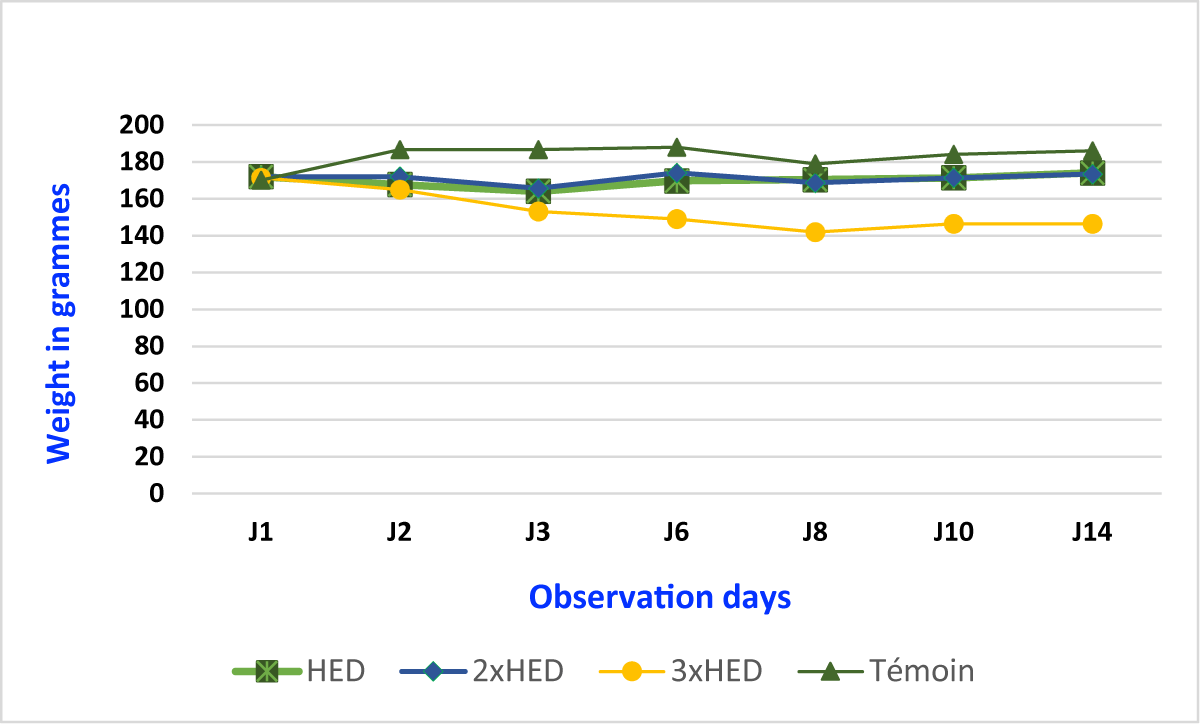 Figure 4: Weight changes in experimental animals receiving three doses of reconstituted powder solutions of "Painkiller X" compared to a control group.
View Figure 4
Figure 4: Weight changes in experimental animals receiving three doses of reconstituted powder solutions of "Painkiller X" compared to a control group.
View Figure 4
The widespread use of " Painkiller X " among the local population for the treatment of pain is a real public health issue, due to the lack of scientific data on its efficacy and safety. This study aimed to evaluate the safety of a treatment widely used, particularly in elderly people, and presented as being prepared from medicinal plants.
Analysis of requests for expertise regarding the recipe " Painkiller X" showed that most users were elderly people suffering from chronic painful conditions. The median age observed placed them in the geriatric patient category [21].
Chronic pain, which is common among older people, negatively impacts their mobility and quality of life [22].
However, it is well documented that this population is not adequately cared for by healthcare providers relative to the intensity of pain reported [22,23]. In addition, elderly subjects are frequently polymedicated, which increases the risk of actual or perceived adverse effects. In this context, medicinal plants are a safer alternative, due to their reputation for safety compared to conventional drugs [24,25].
The experimental assessment of the acute toxicity of the powder « Antidouleur X» revealed abdominal pain and significant weight loss at the recommended human dose at the start of treatment, and deaths in cases of overdose equivalent to three times the recommended human dose. In addition, chemical analysis identified indomethacin (C 19 H 16 ClNO 4 ), a synthetic chemical drug, in the recipe presented and sold as being exclusively plant-based. Indomethacin is a non-steroidal anti-inflammatory drug (NSAID) subject to prescription, whose use presents challenges in the elderly [26]. This molecule has a tropism for synovial fluid and is recognised as effective in relieving pain associated with rheumatoid arthritis, ankylosing spondylitis and certain forms of disabling osteoarthritis. This could explain the widespread use of " Antidouleur X " among elderly people who experience frequent pain. However, indomethacin is one of the drugs that should not be used in people over the age of 65 due to the risk of exacerbating certain clinical conditions that are common in elderly patients. The indomethacin contained in the prescription could cause an increase in blood pressure, which, if ignored by the physician, could lead to intensified antihypertensive treatment or a cascade of prescriptions [27]. In addition, cardiac, hepatic and renal output decrease significantly in elderly subjects, leading to indomethacin toxicity in these organs, including an increased risk of renal failure with a poor prognosis [23]. Furthermore, when administered orally, indomethacin increases the risk of gastro-duodenal ulcers and causes neuropsychiatric side effects (headaches, dizziness, asthenia, mental confusion) [28].
The remedy " Antidouleur X ", which was indeed plant-based, was nevertheless "cut" or adulterated with indomethacin. Although the quantity of the drug was not determined, the signs observed in experimental animals and the symptoms reported by some users and caregivers are consistent with the known adverse effects of indomethacin. Rats exhibited gastric pain, which would explain their refusal to eat and weight loss. In addition, oedema was observed in two patients after several weeks of daily use of the recipe. Finally, the cardiologist requested an expert analysis of the powder following the failure of antihypertensive treatment that had been effective until recently.
This set of observations pointed to intentional chemical adulteration of the herbal medicine recipe with indomethacin. The chemical agent was illegally added and sold to elderly and vulnerable people, exposing them to more frequent and potentially serious iatrogenic accidents.
Several authors have reported cases of adulteration of medicinal plants with indomethacin around the world [29,30]. A study conducted in 2018 in a clinical toxicology laboratory in Hong Kong revealed that NSAIDs ranked first among the chemicals identified in adulterated natural health products [31].
In Côte d'Ivoire, the National Pharmaceutical Regulatory Authority has established a Pharmacovigilance Committee that includes the monitoring of adverse events associated with traditional medicines. However, this initiative faces many challenges. Firstly, the regulation of medicines in the Ivorian traditional pharmacopoeia is inadequate due to difficulties in identifying and registering traditional practitioners and recipes marketed in Côte d'Ivoire. Added to this is the growing e-commerce trade in these products, which is completely unregulated. Secondly, like pharmaceutical products, Improved Traditional Medicines are not subject to active market surveillance (post-marketing), which limits the identification of cases of chemical adulteration. Finally, funding for research on the quality and safety of traditional medicines is insufficient or even non-existent. Research initiatives on medicines in the Ivorian pharmacopoeia are fragmented and do not rely on a transdisciplinary approach. Efforts should be made to set up a technical expertise platform based on an integrated approach (analytical chemistry, toxicology, pharmacology, clinical pharmacy, pharmacognosy). Such a system should strengthen market surveillance and pharmacovigilance and ensure the safe use of traditional medicines, particularly for vulnerable populations such as the elderly.
The intentional chemical adulteration of traditional medicines has become a highly lucrative business worldwide, including in Côte d'Ivoire. An analysis of the composition of the "Antidouleur X" formula, falsely presented as plant extracts, revealed that it contained a synthetic anti-inflammatory drug, which, when administered over long periods, could cause severe gastric disorders and serious nephrotoxicity in elderly subjects. Acute toxicity of the illegally adulterated recipe was demonstrated in experimental animals at the doses recommended by the traditional practitioner. The elderly are a population particularly vulnerable to iatrogenic accidents involving NSAIDs. Pharmacovigilance, active market surveillance and random screening of traditional recipes available on the market should help to effectively combat adulteration and its dangers in the elderly.
The authors would like to thank the National Public Health Laboratory (LNSP) and the Water Quality Control Laboratory (LACQUE) for their technical support in carrying out the physical and chemical analyses.
The authors declare that they have no conflicts of interest.
This work did not receive any funding.
Data supporting this research are available from the authors on reasonable request.
Study design: Aïssata DIAKITE
Definition of methodology : Aïssata DIAKITE and Aminata AKOUBET
Sample analysis : Stéphane CLAON, Ladji MÉITÉ, Aminata AKOUBET and Adjoua Marcelle YAO
Data interpretation : César Pacôme BÉKÉGNRAN, Aminata AKOUBET, Ladji MÉITÉ
Manuscript written by: Aïssata DIAKITE
Critical review of the manuscript : Sahar TRAORÉ, Aïssata CAMARA and César Pacôme BÉKÉGNRAN.
All co-authors have read the entire manuscript and approved its content.