
The presence of pesticide residues in breast milk raises major public health concerns in Senegal, where biomonitoring studies in children remain limited. This pilot study aimed to document this mother-to-child exposure and to assess the associated health risks. The study analyzed 45 breast milk samples using GC and LC tandem mass spectrometry for pesticide screening. Organochlorine pesticide residues, particularly p,p’-DDE, were detected in 98% of the samples. These results suggest a widespread exposure of the senegalese population to pesticides.
Health risk assessment revealed that for non-carcinogenic risks, the hazard quotients (HQ) of certain substances, such as coumaphos and HCH, exceeded the safety threshold of 0.8 in one and two infants, respectively, suggesting risks to the hepatic, neurological, and endocrine systems. The hazard index (HI), which cumulatively assesses exposures, also showed that 11.11% of infants are exposed to an unacceptable overall risk. A more detailed analysis of the HI, in particular, shows risks of diabetes, neurological, hepatic, and endocrine damage for 2.2% of the cohort. Additionally, 86.67% of infants have a carcinogenic risk above the safety threshold.
The results of the regional risk distribution revealed that regional medians, while low, are above the safety threshold, with no statistically significant disparity. These findings highlight the vulnerability of newborns due to their limited metabolic capacity and call for the implementation of targeted measures to reduce the exposure of pregnant and breastfeeding women, as well as for further research to better understand the exposure factors.
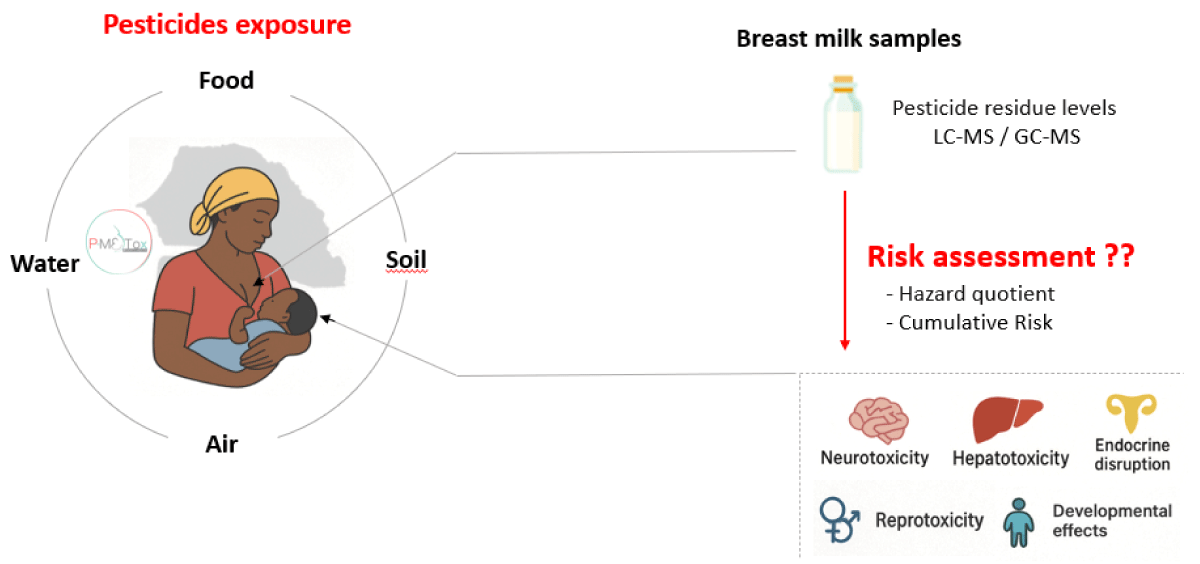 Graphical Abstract.
View Graphical Abstract
Graphical Abstract.
View Graphical Abstract
Breastfeeding is essential for child’s growth and development; but it can also unintentionally lead to chemical contamination, including pesticides. According to the WHO, breastfeeding provides invaluable benefits for infants physical and cognitive development [1]. However, increasing exposure to chemical pollutants through food, particularly among vulnerable populations such as children, has raised significant concern about potential adverse health outcomes. Key contaminants, including pesticides, heavy metals (lead, mercury), air pollutants (including polycyclic aromatic hydrocarbons), industrial chemicals (such as polychlorinated biphenyls), and pharmacological agents can be transferred from mother to child via trans placental passage during pregnancy or through breast milk after birth [2-4]. During pregnancy and breastfeeding, the maternal body mobilizes many endogenous substances, such as water, carbohydrates, proteins, vitamins, minerals, and lipids, which serve as energy reservoirs and structural components [5-7]. Hydrophobic contaminants, such as pesticides, dissolve in lipids and accumulate in adipose tissue, potentially impairing infant health by disrupting normal biological processes [8,9].
The presence of pesticides in breast milk constitutes major public health concerns. These substances can lead to birth defects, growth retardation, neurological disorders, and cognitive development problems in infants [10-12]. Although low levels of pesticides are not always linked to immediate risks, chronic exposure underscores the need for strengthened monitoring [13]. Pesticide exposure is associated with an increased risk of leukemia, lymphoma, and brain tumors in infants [14,15]. In Senegal, several studies have reported the presence of hazardous and obsolete pesticides in environment and food [16-18], but biomonitoring studies, especially on children, remain limited [19,20].
In this context, the PMETox (in french “Pesticides – Mere-Enfant-Toxique”) project is the first in Senegal to examine exposure of newborns to pesticide residues. This research is part of a global approach assessing human exposure to pesticides, by characterizing the pesticides present in breast milk. The goals of this pilot study are to document this mother-to-child transmission and to assess the associated health risks, to formulate informed public health recommendations.
The study was conducted in six regions of Senegal: Dakar, Saint-Louis, Kaolack, Kaffrine, Fatick and Thies, selected for their intensive agricultural activities and correspondingly high pesticide usage. Dakar and Thies focus on fruit and vegetable cultivation, Kaolack, Kaffrine and Fatick comprise the groundnut basin, an area notable for cereal production . Saint-Louis, with vast arable lands, focuses on sugarcane and rice farming. In each region, three healthcare structures have been identified to ensure a representative sample accross the healthcare pyramid.
The participants were selected according to the United Nations protocol for POPs [21], based on strict inclusion criteria. Only healthy primiparous mothers with normal pregnancies and single live birth were eligible, able to provide samples between three and eight weeks after delivery. Conversely, mothers with multiple pregnancies, a history of miscarriage or stillbirth, a premature birth before 37 weeks, obstetric complications, mental disorders, or amniotic fluid contamination (meconium aspiration syndrome) were excluded from the study.
Participant’s consent was obtained through a signed form. A structured questionnaire was administered during a semi-directive interview, aimed at collecting socio-demographic data as well as information on the professional environment, diet and place of residence during pregnancy. Participants consented to collection multiple biological matrices (cord blood, perinatal and postnatal urine, meconium and breast milk), with inclusion limited to those providing at least two out of five biological samples were included in the study.
Following United Nations guidelines for analysis of persistent organic pollutants [21], breast milk samples were collected between September and October 2022 from mothers three to eight weeks postpartum. The samples were obtained by manual expression, by the mothers or with midwife assistance. Each participant provided a minimum of 15 mL in sterile 60 mL containers. To prevent photo degradation, the samples were wrapped in a sheet of aluminum foil, transported at +4°C and then stored at -20°C. They were transported while maintaining the cold chain via a specialised carrier to the pharmacology, toxicology and pharmacovigilance laboratory at Limoges University Hospital.
Pesticide were extracted using an adapted method from the QUECHERS procedure [22], and quantified by liquid and gas chromatography coupled with tandem mass spectrometry (LC-MS/GC-MS). Milk samples were homogenized prior to analysis a test volume of 2 mL. Pesticide concentrations were normalized to lipid content, measured according to the method described by Nadal, et al. [23]. Detection limits ranged from 0.05 to 10 μg.L⁻¹, with calibration spanning 0.05 to 10 μg.L⁻¹ using internal standards mixture. The analytical libraries screened for 350 compounds, including parents and metabolites. The LOD of the detected molecules is detailed in the supplementary data.
Estimated daily intake (EDI) : Health risks from chronic pesticide exposure in infants were estimated by calculating the EDI, incorporating average Senegalese infant birth weight (3120 ± 405 g) [24], and mean daily intake of 735 ml for 0-3 months age [25]:
Hazard Quotient (HQ): The HQ was calculated as the ratio of individual EDI values to toxicological reference doses (RfDs) per risks Codex Alimentarius guidelines.
HQ values below 0.8 suggest negligible risk, whereas values above 0.8 indicates potential health concern:
Cumulative risk (HI): The hazard index (HI), summing individual HQs for detected pesticides; enabled evaluation of combined exposure risks for each infant:
Carcinogenic risk: Carcinogenic risk assessment in infants exposed to pesticide residues through breast milk was conducted following a standardized methodology from the European Food Safety Authority (EFSA) [26] and United States Environmental Protection Agency (US EPA) [27]. Only pesticides for which an Oral Slope Factor (OSF) was available from US EPA [28] and Health Canada [29] were included in the analysis. For each selected compound, the Estimated Daily Intake (EDI) calculated in the preceding step was utilized.
In accordance with the USEPA guidelines, Age-Dependent Adjustment Factors (ADAFs) were applied to account for the increased vulnerability of infants to carcinogens, due to their rapid physiological development and immature metabolism. Given that our study focuses on an exposure period from birth to three months, falling within the 0-2 years age bracket, a 10 × ADAF was applied to the calculated risk for each pesticide, ensuring a cautious and protective characterization.
The total cumulative lifetime cancer risk for each infant was then determined by summing the product of the OSF, the EDI, and the ADAF for each individual pesticide. This cumulative risk was subsequently normalized to reflect the actual exposure duration by multiplying by the breastfeeding period (90 days) and dividing by the average human lifetime (25,550 days). This adjustment aligns with established risk assessment practices, allowing the expression of cancer risk as a lifetime probability.
Target organ / system risk assessment
The Approach by effects on target organ / system was based on an assessment of risks associated with detected pesticides based on specific toxicological effects. The identification of target sites for the selected pesticides was performed using the Pesticides Properties database, hosted by the Agriculture and Environment Research Unit at the University of Hertfordshire [30]. This involved the aggregation of the individual hazard quotient (HQ) calculated in order to obtain an estimate of the risk by organ or system, taking into account potentially additive or synergistic effects of different molecules.
All statistical analyses were performed using Python 3.9.13 statistical software. For all analyses, only positive values, defined as concentrations above the analytical detection limit, were considered. Values below the LOD and null values were excluded to ensure statistical robustness. The distribution of all pesticides concentrations was examined using the Shapiro-Wilk suitability test. A logarithmic transformation was applied to the skewed data for further analysis. As the data showed a marked deviation from normality, comparisons between regions were conducted using the Kruskal-Wallis test, in line with non-parametric assumptions. In addition, a complementary approach was applied by setting a 10-6 risk threshold, discretizing the data, and evaluating regional differences using the Chi² independence test.
All participants received detailed information on study objectives, procedures, benefits, and their voluntary participation rights. The National Biomedical Ethics Committee approved the study protocol: AVIS SEN2225.
The 118 mothers included in this study were healthy, primiparous and from 6 different regions. The average age of the participants was 22-years, with extremes ranging from 16 to 31-years.
Analysis of the questionnaire revealed that 75% of participants used insecticides at home. In addition, 38.64% of them lived with at least one person who used pesticides in the course of their work. Of these, 30% said they stored these products at home, and 21% were responsible for manually cleaning of their partner’s work clothes. In addition, 11.36% of mothers lived close to a site where pesticide was stored and/or used.
Concerning the 118 mothers included, 45 provided a breast milk sample. Analysis of these samples revealed the presence of pesticide residues, with more than 20 substances identified at individual level (Table 1). The most frequently detected compounds were organochlorines pesticides present in 98% of the samples, with concentrations values between 2.22 and 93.33%. Pyrethroids were detected in a third of the samples, while organophosphates were less represented, in 11.11% of cases.
Table 1: Pesticide residue levels in breast milk samples (ng/g lipid). View Table 1
Table 2 highlights the active ingredients for which the hazard quotient is greater than 0.8 and the proportion of hazard index above the acceptable threshold. Detailed infant-specific risk profiles are available in Supplementary Data.
Table 2: Summary of hazard quotient and hazard index. View Table 2
Health risk assessments show low medians, but some infants show unacceptable levels of risk, including diabetes, developmental effects, endocrine disruption, reproductive toxicity and neurotoxicity. The nephrotoxic, thyroid and respiratory risks are negligible (Table 3).
Table 3: Analysis of cumulative risks by target. View Table 3
39 (86.67%) of the 45 newborns in the evaluation had a lifetime cancer risk higher than the safety threshold set by the US EPA. Despite the fact that the total cancer risk exceeds the regulatory threshold, it remains within a relatively low range between 10-5 and 10-4.
Analysis of carcinogenic risk revealed atypical values, which was confirmed by the Shapiro-Wilk test (p-value = 3.65 × 10 - 9 ), indicating a significant deviation from a normal data distribution. The Kruskal-Wallis test, applied to examine variations between regions, yielded a p-value of 0.45, demonstrating the absence of a statistically significant difference between the regions. Data discretization and a Chi-squared independence test, also showed no significant differences between the regions (p-value = 0.38).
Figure 1 shows the contribution of different pesticides to the carcinogenic risk. The main drivers of cancer risk are DDT and its metabolites, as well as PCP.
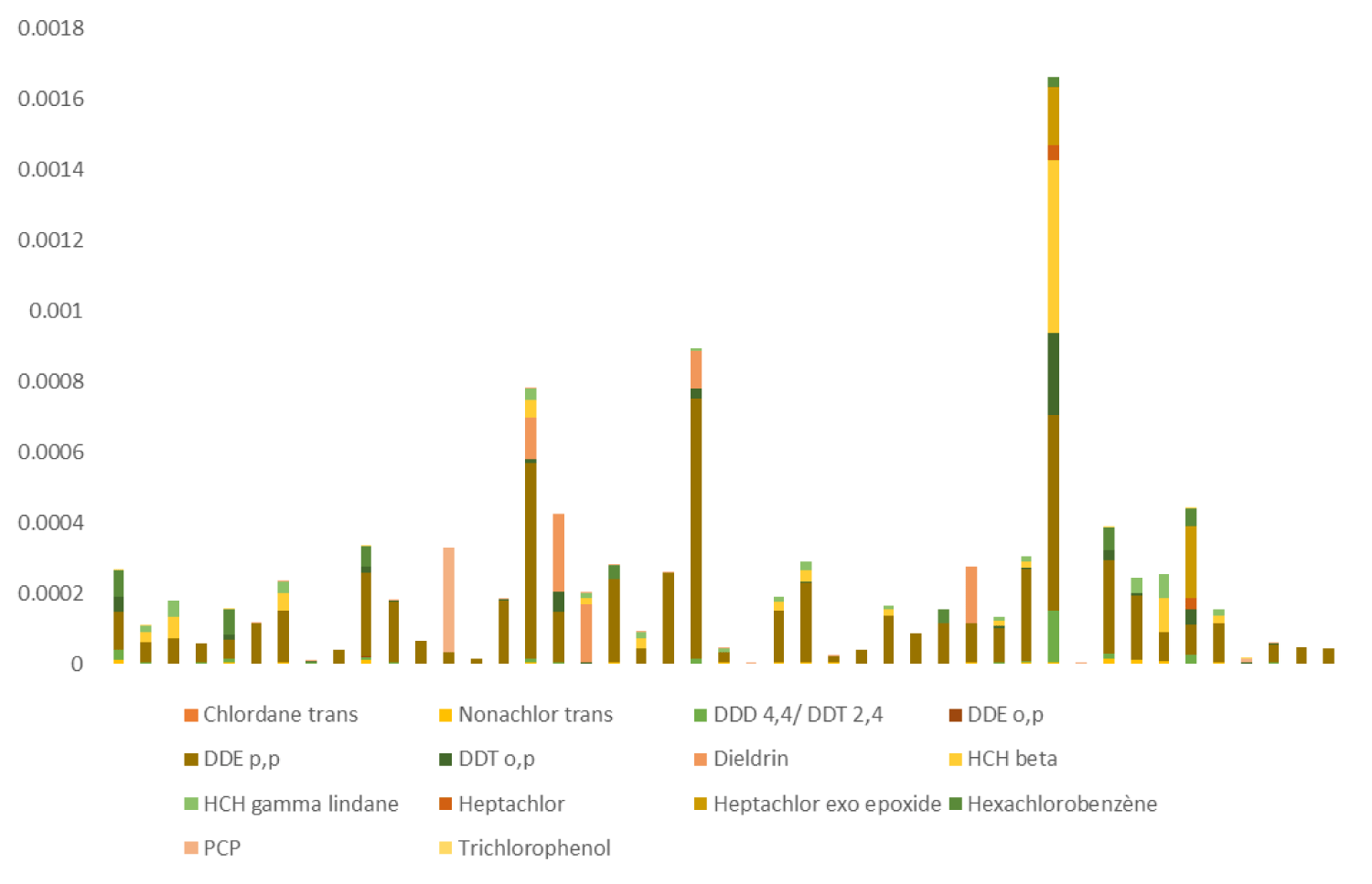 Figure 1: Contribution of major pesticides to carcinogenic risk.
View Figure 1
Figure 1: Contribution of major pesticides to carcinogenic risk.
View Figure 1
Regional analysis results revealed that the medians for all regions are above the 10 -6 threshold. However, marked disparities were observed. The medians for carcinogenic risk in Kaolack, Saint-Louis, and Fatick regions were the highest, while those for Dakar, Kaffrine, and Thiès were lower. This repartition indicates the existence of high-risk subgroups (Figure 2).
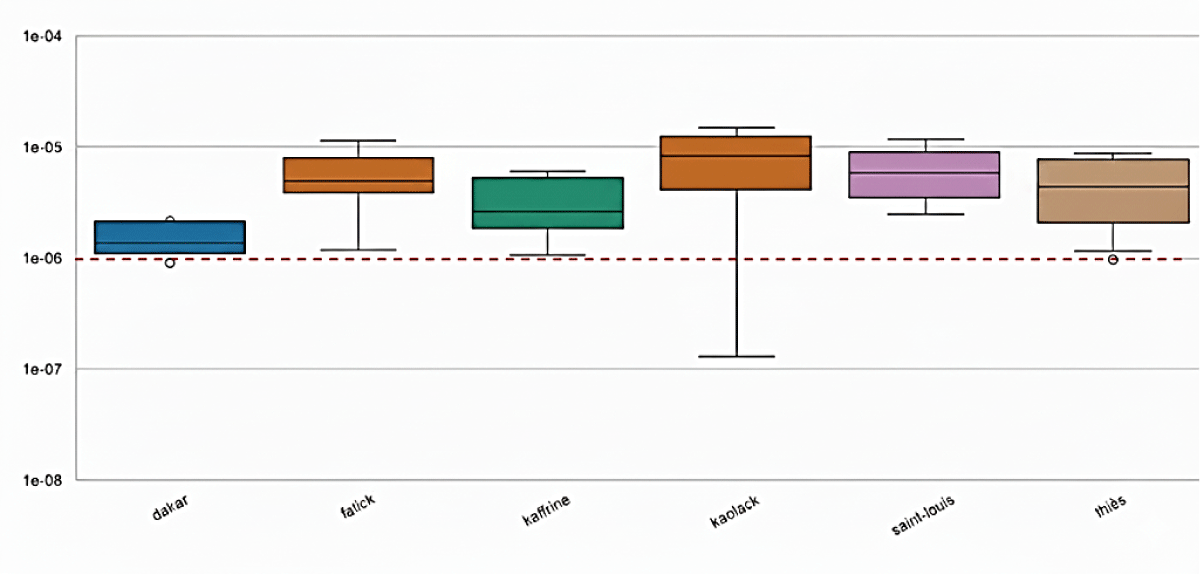 Figure 2: Distribution of carcinogenic risk by region.
View Figure 2
Figure 2: Distribution of carcinogenic risk by region.
View Figure 2
This study demonstrated the presence of pesticides in breast milk in Senegal, which constitutes a major public health alert, particularly in a context of strong agricultural intensification. The diverse yet overall high exposure environment in the six targeted regions increases the relevance of our conclusions. This issue is especially given the vulnerality of infants, whose detoxification systems, particularly cytochrome P450 enzymes, are stil immature [31].
Detection of 7 to 20 pesticide compounds per sample indicates widespread and multi-source exposure. These finding is in line with Senegalese market data published in 2017, which report the importation of at least 12 unregistered pesticides, as well as the alarming presence of 95 other unregistered, at retailers [32]. Such practices contribute to environmental contamination and increase the likelihood of chronic exposure. Furthermore, the contamination of staple foods such as cabbage, salad, tomatoes, and fishery products by a wide variety of pesticides, lindane, parathion, pirimiphos-methyl, chlorpyrifos, is well-documented in Senegal, fueled by the growth of horticulture and its practice in home gardens [18,33-37]. Analysis attests to a high prevalence of organochlorine insecticides, due to their environmental persistence and high lipophilicity [38]. DDT metabolites, including p,p′-DDE and p,p′-DDT, were found to be the main contributors to this contamination, with median values of 38.5 ng/g and 18.5 ng/g lipids, respectively. Their ratio below 5 suggests passive exposure from historical use rather than recent application [39,40]. This supports the hypothesis of environmental persistence and gradual decline due to regulatory measures [20]. Our findings are consistent with international reports. Median levels observed in this study were lower than those reported in China [41,42], and Mexico [43,44], comparable to Ethiopia [40], and markedly below the high concentrations documented in Côte d’Ivoire, where DDT reached 491 ng/g lipid [45]. The literature shows a strong regional variability in pesticide residue levels, with high concentrations measured in Saudi Arabia, Egypt, India, and Colombia [39,46-49]. Consistent with findings in the present study, previous reports indicate presence of pyrethroid compounds in breast milk in regions heavily reliant on insecticides for intensive agriculture or large-scale vector control [50-53]. This observation is further supported by our data, as 75% of the mothers surveyed reported regular insecticide usage.
Analysis of the questionnaires identified several behavioral factors that likely contribute to this contamination. These include indirect exposure from cohabiting with agricultural workers and handling their clothes, The storage of products within residences represents another exposure pathway for cohabitating family members.as they sometimes store pesticide products at home.
The influence of modern and historical human activities, both residential and agricultural, is evident from the presence of legacy pollutants alongside currently used substances such as DEET (≈55%) and pyrethroids (up to 33% for cypermethrin). These modern active compounds are often applied without strict adherence to recommended guidelines, although they are promoted by pesticide manufacturers as safer alternatives [54]. The coexistence of legacy residues and currently applied substances, combined with multiple exposure pathways, results in a complex toxicological profile that may be specific to the senegalese context.
The presence of organochlorines in breast milk is a major concern, especially since early exposure to these recognized neurotoxins and endocrine disruptors can cause long-term endocrine disruption in children [88]. They are associated with various neurodevelopmental and neurodegenerative disorders, including cognitive impairments, behavioral changes such as autism and ADHD [38,55,56] as Parkinson's disease [57].
As powerful endocrine disruptors, OCs can alter hormonal balance, thereby affecting puberty, fertility, cardiovascular [58], bone [59,60], adrenal [61], and reproductive health [62-64]. Their role is also implicated in the onset of metabolic diseases, such as type 2 diabetes, for which insulin resistance and obesity [65,66] are known risk factors. Moreover, these substances are linked to several types of cancers: non-Hodgkin's lymphomas, breast and prostate cancers [67].
Other detected organochlorines, trans nonachlor, PCP, and HCB are also a concern. PCP classified as carcinogenic by IARC (group 1), was found in over 40% of samples, just as 2,4,6 TCP. Their presence, even at low concentrations, warrants attention due to its association with non-Hodgkin lymphoma, diabetes and cardiovascular disease [68-71].
While the risks associated with OCPs are well-documented due to their long history of use and persistence, new classes of pesticides have emerged with different mechanisms of action and rising health concerns. Recent studies suggest potential links between succinate dehydrogenase inhibitors (SDHIs) and oxidative stress, as well as carcinogenesis, warranting precautionary monitoring [72-76].
Risk assessment identified unacceptable hazard quotients (HQ) for Coumaphos and HCHs for respectively 2.2 and 4.4% of the cohort; indicating risk of unacceptable adverse effects.
In addition to the HCHs already discussed, the analysis of coumaphos is essential. Classified as an organophosphate, it leads to neurological and cognitive impairments [43,44]. Its exposure is associated with memory deficits, concentration problems, and behavioral disturbances, and is suspected of having endocrine effects and disrupting neurological development. Hepatic and renal impairments have been raised. A genotoxic and carcinogenic potential is suspected, although current data remain limited and primarily stem from animal studies [77,78].
The cumulative analysis of the hazard quotient justifies real concern because of an overall risk greater than 0.8 identified in 11.11% of newborns.
Given these risks, a disease- and organ-specific assessment is essential to better understand pesticide-related health effects. The main target organs, pathologies, and outcomes are summarized in (Figure 3).
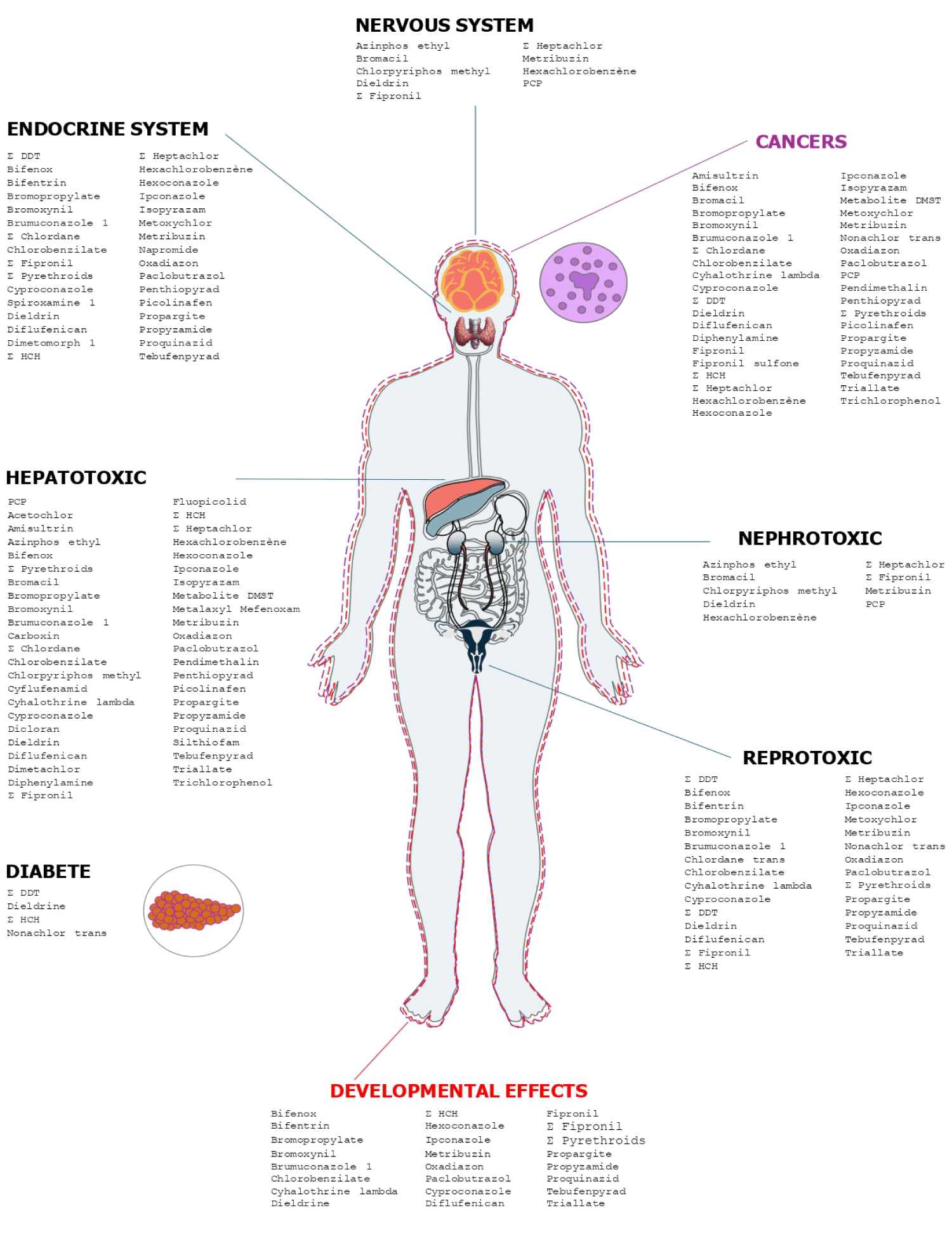 Figure 3: Pesticides and associated health effects.
View Figure 3
Figure 3: Pesticides and associated health effects.
View Figure 3
Regarding health outcomes: Diabetes, effects on development, hepatotoxicity, endocrine disruption, reproductive toxicity, and effects on the nervous system, approximately 2.2% of infants in the cohort had exposure indices (HI) greater than 0.8. This observation highlights the existence of a vulnerable subpopulation within the cohort, directly linked to the cocktail effect of pesticides. The analysis of the underlying mechanisms reveals that these damages result from the complex interactions between several pesticides and their effects on common biological targets [79]. The identification of HCH and DDT as contributors in several of these pathologies is particularly concerning and confirms their ability to interact with multiple biological pathways [80]. By disrupting the hormonal system, they can have cascading consequences. The alteration of thyroid hormones, crucial for neurological development, will result in effects on the nervous system [81,82]. Similarly, the dysregulation of sex hormones will have an effect on fertility [62,63,83]. The onset of diabetes is linked to interference with insulin signaling and the function of pancreatic β cells, in addition to oxidative stress and chronic inflammation [84-87].
Regarding hepatotoxicity, several pesticides share the ability to promote oxidative stress and disrupt lipid homeostasis, leading to hepatocellular damage, steatosis, and impaired detoxification capacity [88-90]. By a domino effect, compromised hepatic metabolism can exacerbate the bioaccumulation of other xenobiotics, thereby amplifying systemic toxicity.
The convergence of these pathways illustrates how cumulative exposures can influence complex systemic diseases beyond the classical toxicity of target organs.
This reinforces the importance of considering the toxicity of mixtures in risk assessment and highlights that vulnerable subpopulations, such as infants, can be disproportionately affected even at exposure levels traditionally considered acceptable.
Carcinogenic risk calculations revealed that 39 infants (86.67% of the cohort) had a lifetime risk above the acceptable threshold of 10 -6 . It is important to note that even in these cases, the absolute lifetime risk of developing cancer remains relatively low, ranging from 10 -5 to 10 -4 .
However, the existence of this overshoot in infants is a source of serious concern. While the individual risk may seem small, the cumulative risk for an entire population can be significant. This reduced safety margin indicates an increased potential for long-term health effects.
The figure 1 shows that a limited number of pesticides, particularly p,p’-DDE, p,p’-DDT, HCH and PCP, account for the largest share of carcinogenic risk across infants. This highlights the predominance of a few key pesticides in driving cumulative risk.
Regional analyses also revealed marked disparities. The regions of Thiès, Kaolack, and Saint-Louis showed medians above the threshold value. Conversely, Dakar, Fatick, and Kaffrine had levels generally below the threshold. These differences suggest that exposure is influenced by local factors, including household insecticide use, agricultural practices, and historical environmental contamination by persistent pesticides. The variability observed across regions, with some areas showing consistently higher median risks, likely correlates with the localized prevalence and concentration of these major contributing pesticides identified at the individual infant level (Figure 2).
While all of our findings are worrisome, it is essential to interpret them with caution, as they may conceal realities more complex. The composition of breast milk is dynamic and complex, changing over time [69]. It varies greatly during breastfeeding, influenced by a variety of factors, including the mother's diet, genetics, and stage of lactation [7,91]. Therefore, these elements should be considered when assessing the risks associated with exposure to pesticide residues. It should also be taken into account that the reference values used for the assessment of the various risks associated with pesticides are not specific to children, let alone newborns. This approach could lead to an underestimation of the risks faced by this vulnerable population. Indeed, toxicological reference values are often establish based on data relating to adults, thus neglecting the particular physiological characteristics of children.
Assessing the risks associated with exposure to pesticide residues via breast milk is a highly complex exercise. The data presented in this pilot study clearly show that breast milk in Senegal contains pesticide residues, thus exposing infants to chemical mixtures during a critical developmental period. These findings highlight the urgency of implementing concrete public health recommendations. It is crucial to establish a national biomonitoring program to monitor exposure trends. At the same time, it is a priority to reduce maternal exposure by training on good practices at home, controlling use, and promoting the substitution of the most dangerous substances. To deepen our knowledge, it is necessary to launch complementary studies, including a longitudinal mother-infant follow-up with a larger sample size to better assess health effects and cocktail effects. Finally, a clear and nuanced public communication is essential: it must not discourage breastfeeding, whose benefits are proven, while informing families about ways to reduce pesticide exposure.
This work was carried out with the financial assistance of the International Development Research Centre (IDRC) and the Ministry of Higher Education, Research and Innovation (MESRI) through FIRST, as part of the SGCI funding program.
The authors would like to express their deep gratitude to Mr. Mohamed Traoré, Biological Engineer. His expertise in data processing, his rigor and his commitment were essential to carry out the statistical analysis of the data collected.
We thank the mothers and their babies who participated in this study, as well as the entire medical profession and especially the midwives for their cooperation and help in interacting with breastfeeding women.