
Post COVID-19 syndrome, also known as “Long COVID”, is defined as the persistence of signs and symptoms that develop during or after an infection consistent with COVID‑19 for more than 12 weeks and are not explained by an alternative diagnosis [1,2]. In March 2023, using self-reported UK survey data, the office of national statistics estimated that almost 2 million people in the UK experienced ongoing COVID-19 symptoms for at least 1 year [3]. The survey showed that the pervasiveness of their symptoms impacted on ability of 79% of sufferers to undertake activities of daily living; fatigue was the most common symptom (72%) reported including muscle ache (49%), shortness of breath (48%) and difficulty concentrating (51%). Most affected ranged between the ages of 35- 69 years old; were female; unemployed above the age of 16 years; individuals working in social care; people in deprived areas and those with disability.
It is thought that the tendency to develop long COVID is not directly linked to the severity of the initial COVID-19 illness [1]. Moreover, an online survey of 3762 individuals showed that sufferers still experienced systemic and neurological/cognitive symptoms, were yet to return to prior levels of work even at 7 months form diagnosis [4]. In addition, recovery appears to be spontaneous and usually takes up to 12 weeks [1].
The REACT 2 study did find that the prevalence of fatigue and breathlessness symptoms were higher in patients that had been hospitalised for their COVID-19 illness compared with those that had not [5]. Furthermore, it has been postulated that the findings of worsening frailty, gradual decline and deconditioning, development of dementia and a reduction in appetite in the elderly should prompt consideration of a diagnosis of Long COVID [6]. This study was critiqued for having several limitations and a bias towards recruiting hospitalised patients. However, they present an impressive array of neuropsychiatric and non-neuropsychiatric symptomatology in their cohort of Long COVID sufferers (Figure 1a, Figure1b). This body of work along with that by Stephenson et al, who undertook a modified delphi process to determine the presence of Long COVID in children and young people [7], was critical to defining common long COVID symptomatology in the UK. Indeed, the expert opinion of these two research groups were utilised by National Institute for health and Care Excellence (NICE) in setting standards for long COVID.
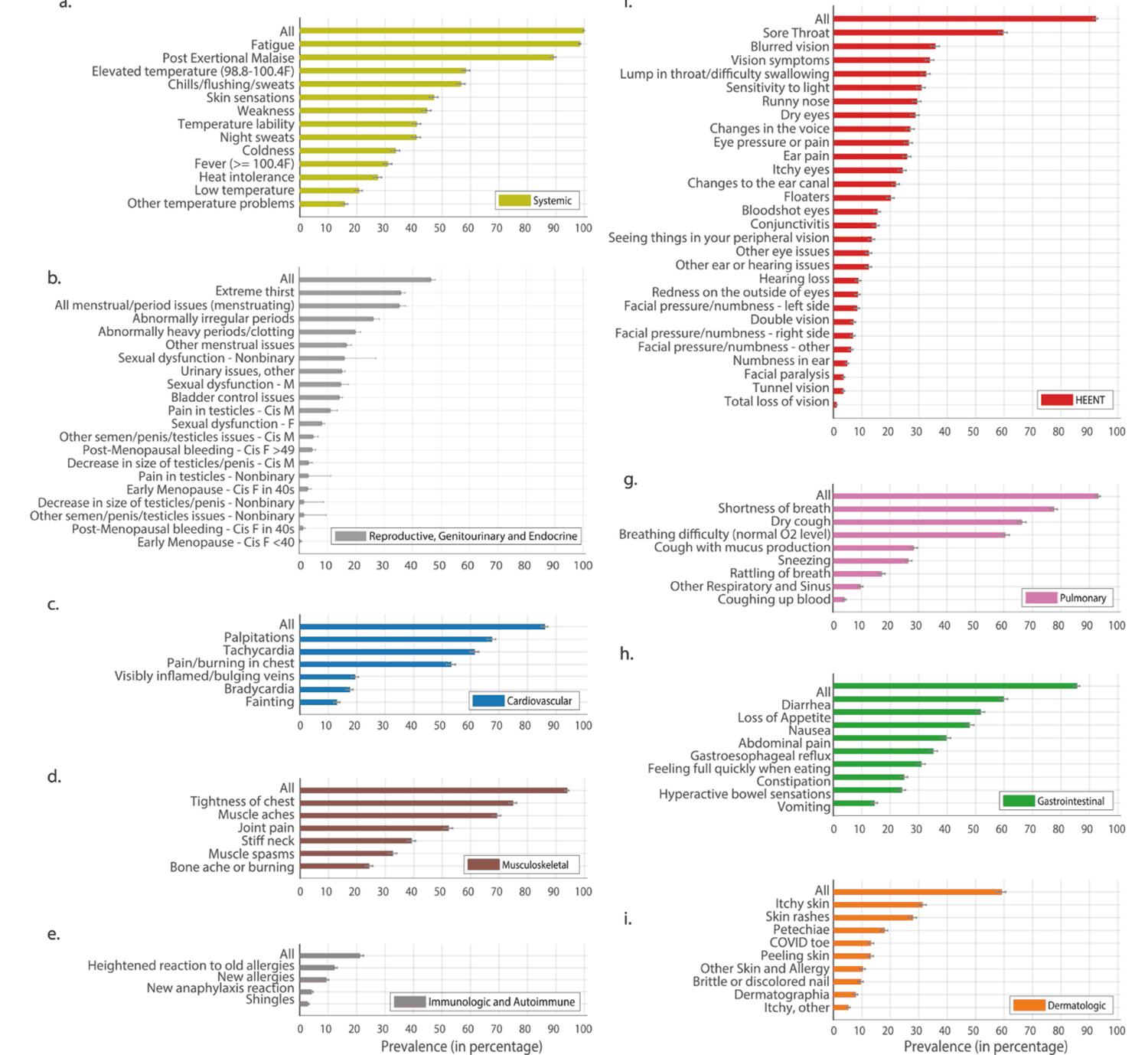 Figure 1a: Symptom prevalence estimates (non-neuropsychiatric symptoms).
View Figure 1a
Figure 1a: Symptom prevalence estimates (non-neuropsychiatric symptoms).
View Figure 1a
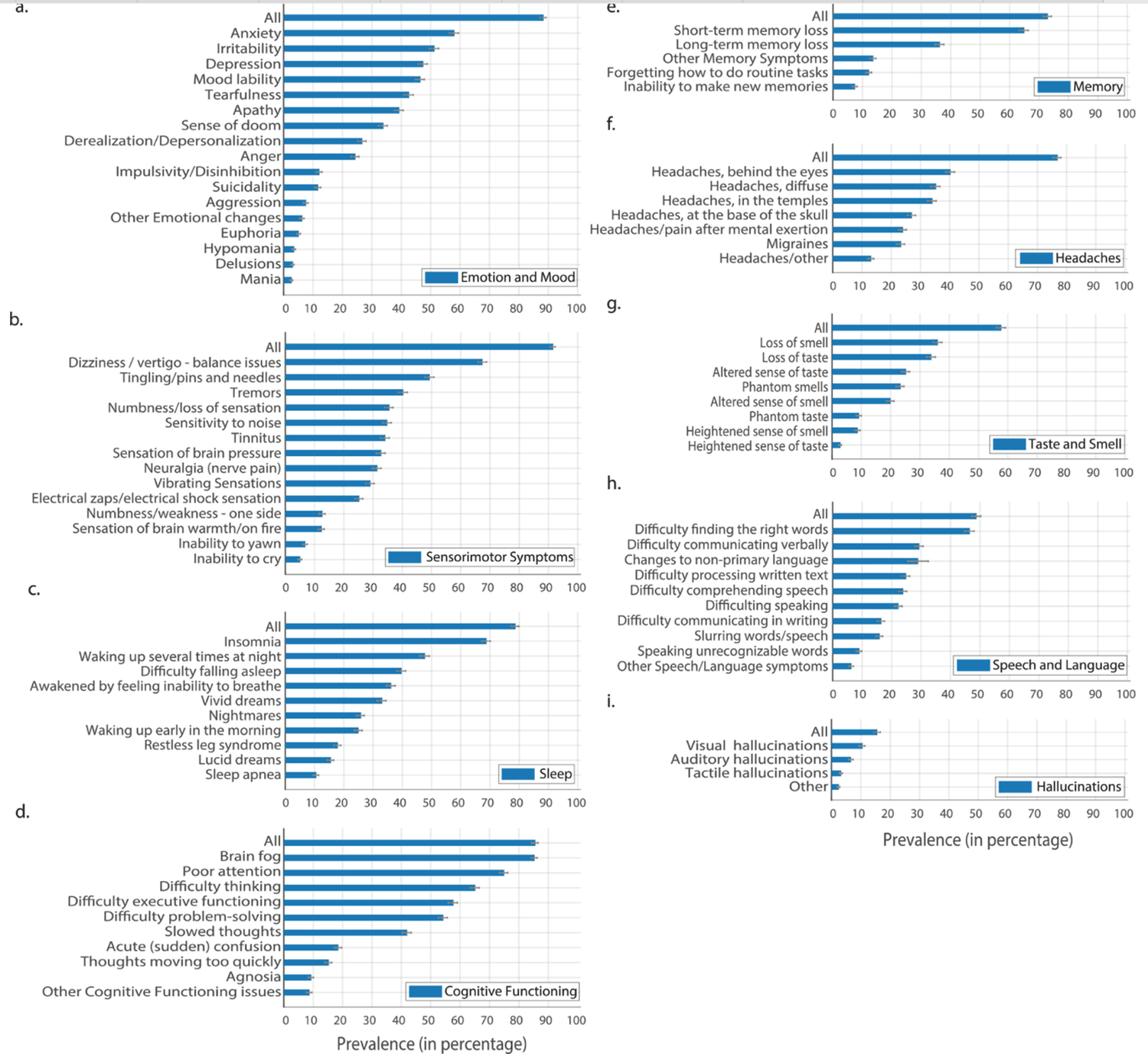 Figure 1b: Symptom prevalence estimates for neuropsychiatric symptoms.
View Figure 1b
Figure 1b: Symptom prevalence estimates for neuropsychiatric symptoms.
View Figure 1b
In the United Kingdom, NICE report the following as common symptoms of Long COVID: Breathlessness, cough, chest tightness, chest pain, palpitations, fatigue, fever, pain, cognitive impairment ('brain fog', loss of concentration or memory issues), headache, sleep disturbance, peripheral neuropathy symptoms (pins and needles and numbness), dizziness, delirium (in older populations), mobility impairment, visual disturbance, abdominal pain, nausea and vomiting, diarrhoea, weight loss and reduced appetite, joint pain, muscle pain, tinnitus, earache, sore throat, dizziness, loss of taste and/or smell, nasal congestion, skin rashes, hair loss, symptoms of depression, symptoms of anxiety and symptoms of post-traumatic stress disorder.
Bars represent the percentage of respondents who experienced each symptom at any point in their illness. Symptoms are categorized by the affected organ systems. When all rows in a given panel use the same denominator, the first row, labelled “All,” indicates the percentage of respondents who experienced any symptoms in that category. Error bars are bootstrap 95% confidence intervals. In Figure 2b, Sexual dysfunction is broken up into male (Sexual dysfunction - M) and female (Sexual dysfunction - F). “Cis M” refers to cisgender males, “Cis F” refers to cisgender females, and cisgender females are further broken down by age group: “Cis F <40 indicates cisgender females age 39 or younger, “Cis F in 40s” indicates cisgender females age 40 to 49, and “Cis F >49” indicates cisgender females age 50 or older. (Reproduced from Davis, et al.,) [4].
Similar to Figure 2 for neuropsychiatric symptoms, divided into nine sub-categories. Each bar represents the percentage of respondents who experienced that symptom. Error bars are bootstrap 95% confidence intervals. (Reproduced from Davis, et al.,) [4].
Within Otolaryngology as a clinical speciality, symptoms seen in Long COVID sufferers include dysphonia, dysphagia and olfactory disturbances to varying degrees [8-13]. An important note is that other symptoms that may not specifically be otolaryngological may manifest within the system. In the case of breathlessness, this can present with voice problems due to challenges with breath support for the voice; breathlessness may also exacerbate dysphagia due to an asynchronous respiratory-swallow axis. Indeed, a systematic review suggested that it was not uncommon to find that otolaryngological symptoms occurred as part of multi-organ syndrome in long COVID sufferers. The authors estimated the prevalence of anosmia was 4%; dysgeusia was 2%; cough was between 4 - 19%; dysphonia was 7 - 20%, respectively [14].
In the management of long COVID, it is essential that a multi-disciplinary team approach is utilised. This ensures that patients receive holistic care [1]. Clinical assessment, essential diagnostics and rehabilitation improve outcomes in these patients and is a quality indicator [15]. However, of note is that till date, speech and language therapist who are important for rehabilitation of dysphagic and dysphonic patient, are still not recognised by NICE as an essential part of the MDT managing these patients. This has implications in providing evidence in support of the business case for increased funding for the services provided by these allied health care professionals in hospitals and community healthcare settings.
There is no doubt that in reducing disease severity and transmission that vaccination had a beneficial impact on reducing the frequency of post-infection sequelae of COVID-19 including Long COVID. From a health economics perspective, its impact was far reaching when one considers that vaccinations facilitated the reopening of borders and return to normality after protracted and repeated episodes of imposed lockdown.
One study estimated the Pfizer-BioNTech vaccine effectiveness against infection to be 49.3% and against death to be 63.2%. This study used a macroeconomics modelling and regression analysis to determine that in the first 2 years (January 2020 - December 2021) of the pandemic, combining Gross Domestic Product (GDP) losses, monetised Quality Adjusted Life Year (QALY) losses, direct and indirect costs for 148 countries, the global economy experienced a loss of US$10.2 trillion. They concluded that the absence of all covid vaccines and Pfizer-BioNTech vaccines specifically, would have raised this loss to US$15.4 and US$12.2 trillion, respectively. Thus, the undeniable economic impact of vaccines in the COVID-19 climate [16].
Despite the successes of the global vaccine strategies, there was some degree of vaccine hesitancy and this led to even deeper divides in healthcare disparities as these individuals tended to fare worse especially in the early phases of the pandemic. 17 , The cause for vaccine hesitancy is multifactorial: Exposure to conspiracy theorists, low educational level, cultural norms, fear, historical mistrusts of agencies and concerns about the development process of vaccines are some of the issues highlighted [17,18].
Apart from the impact on healthcare resources from repeat primary care visits, polypharmacy, re-admission to hospital, increased use of community services and mental health services, long COVID places a significant impact on the economy [19]. This is due to loss of productivity from sickness absenteeism, increased burden on social services and the need to financially support businesses and affected patients who are unable to return to work [20]. In the USA, the cost to the economy as a result of long COVID was estimated at $2.6 trillion [21]. In the UK, using a macroeconomic model to simulate a long Covid future to 2030, the financial impact was estimated to be about £1.5bn of GDP each year and a loss of 140,000 jobs per year; with the impacts increasing if future prevalence were to rise [22].
Several research groups and economists have proposed measures to mitigate the economic impact of long COVID: this includes flexible working and work from home initiatives to accommodate sufferers; tax breaks and other economic incentives to businesses affected by reduced productivity; specialised MDT clinics in hospitals; targeted community rehabilitation programmes and centres for easy access to healthcare education; focused investment in social care and community health services led by allied healthcare professionals; social welfare programmes and awareness campaigns on long COVID [22,23].
The patients are of course the greatest losers of all as their lives have been impacted by a pathology that remains poorly understood and with variable prognosis. As it is clear that social deprivation is a predictor of long COVID, it is essential that the government focus on investing in social care and implementing economic policies with a view to bringing about the levelling up that is required to mitigate healthcare inequalities.
Long COVID remains our most concerning issue as patients continue to seek advice and medical attention for residual symptoms. It is important that healthcare policy requires these patients be managed by an MDT of clinicians and allied healthcare professionals such as speech and language therapists and dietitians. This will ensure appropriately qualified personnel provide ongoing targeted rehabilitation for survivors.
More well designed, prospective, longitudinal, controlled studies are needed to investigate the long COVID population with the use of objective outcome measures. This should include the use of biomarkers where possible and are best undertaken as multi-centre projects and/or research collaboratives so as to ensure diversity of the population being studied. Indeed, the success of several such research collaboratives (for example, the COVIDSurg collaborative) [24] during the pandemic, was instrumental in disseminating information and setting standards of care. These working groups contributed significantly to patient safety, reducing the morbidity and mortality of the disease (both at home and abroad) by rapid analysis and dissemination of group data from participating organisations.
Health care disparities should be studied in the COVID-19 population and its impact in hampering recovery and promoting even more inequality in society. The design of better quality of life tools for long COVID patients is needed such that they correlate with objective outcome measures. Brevity of these tools with MDT input should be a quality indicator.
In terms of prognostication, one cannot overemphasize the importance of robust research studies that underpin the potential for screening, referral and treatment in optimising outcomes in COVID-19 related otolaryngological issues. Appropriate policy documents geared towards supporting primary care advice should be composed by national surgical specialty organisations to support advice and guidance. This will limit unnecessary referrals from primary care into tertiary services and manage patient expectations. It will also facilitate resource planning in long COVID patients. For example, in anticipating and informing investments in rehabilitation in the community, based on the reported natural history of these symptoms.
It is likely that the pandemic of 2020 will not be the last we experience. Thus, developing a strategic plan encompassing the salient points discussed above alongside evolving appropriate infrastructure, will prime our health care system for the future.
No conflict of interest to declare.