
Background: The measurement of a scientific publication's impact has frequently relied on the quantity of citations it garners. Analyzing citations using a bibliometric analysis can be instrumental in identifying influential work within medical specialties. This study aims to characterize the study designs, publication date, country of origin, journal, and citation trends of the 100 most cited publications on tonsillectomy.
Methods: A comprehensive search of the Scopus database was conducted on December 10, 2025 using the keyword "tonsillectomy". Articles were ranked by total citation count, and the 100 most cited publications were included for analysis. Extracted variables included citation count, year of publication, journal, country of the corresponding author, and study design.
Results: The 100 most cited publications amounted to a total 24304 citations, with a mean of 243 ± 131 citations per publication and a median of 186 citations. Publication dates ranged from 1965 to 2020, most commonly being between 2000 and 2009 (55%). They were published in 37 unique journals, with Pediatrics representing the greatest proportion (13%), followed by Otolaryngology- Head and Neck Surgery (11%) and then The Laryngoscope (9%). Authors were affiliated with institutions in 20 countries, with the most common being the United States (61%). The most prevalent study design was cohort study (49%), followed by randomized controlled trials (23%) and then review/meta-analyses (18%). Notably, the fewest were clinical practice guidelines (3%).
Conclusion: The most cited tonsillectomy literature is characterized by an abundance of observational study designs, concentrated presence in pediatric and otolaryngology journals, and major representation from the United States. These findings highlight reliance on observational data, development of tonsillectomy research over the last century, and the scarcity of and need for higher quality research.
Tonsillectomy is one of the most commonly performed surgical procedures around the globe [1]. It is defined as a “surgical procedure performed with or without adenoidectomy that completely removes the tonsil, including its capsule, by dissecting the peritonsillar space between the tonsil capsule and the muscular wall” by the American Academy of Otolaryngology - Head and Neck Surgery [2]. It is commonly indicated for obstructive sleep apnea, recurrent tonsillitis, and oropharyngeal conditions [3]. Despite its prevalence, there remains substantial heterogeneity in its techniques, management, and outcome reporting [4].
Given the heterogeneity of this procedure, a comprehensive characterization of the most cited publications on tonsillectomy can give otorhinolaryngology clinicians meaningful insights into the scientific review of this procedure, helping in its more effective technique, management, and outcome reporting. Bibliometric analysis is helpful in characterising these trends in a specific field, and helps guide directions for future research [5]. This study aims to characterize the study designs, publication date, country of origin, journal, and citation trends of the 100 most cited publications on tonsillectomy.
An online Scopus database search was performed using the keyword “tonsillectomy.” Search results were sorted based on the number of citations in descending order, and were reviewed until 100 eligible publications were selected for this study.
- Published in English
- Tonsillectomy was the primary focus
- Involved human subjects
- Were original research articles or review-type studies
- Published in any other language
- Publications in which tonsillectomy was not the primary focus
- Involved animal or cadaver subjects
- Were editorials, letters, or conference abstracts
The metadata associated with each publication was assessed for its title, first author, year of publication, journal name, country of origin, study design, and total citation count. Publications were also manually verified for accuracy. To standardize, the study designs were categorised into five categories: randomized controlled trials, cohort studies, case series, review/meta-analyses, and clinical practice guidelines [6]. Categorical variables were presented as percentages and frequencies, and continuous variable(s) were reported as means with standard deviation(s) and median(s). This methodology adheres to scientific guidelines for statistical reporting [7].
A total of 286 publications were assessed, 186 were excluded, leaving the top 100 falling within the inclusion criteria. The 100 most cited publications accumulated a total of 24304 citations, with a mean of 243 ± 131 citations per publication and a median of 186 citations (Figure 1). This distribution is a right-skewed pattern, consistent among highly cited otolaryngological publications [8].
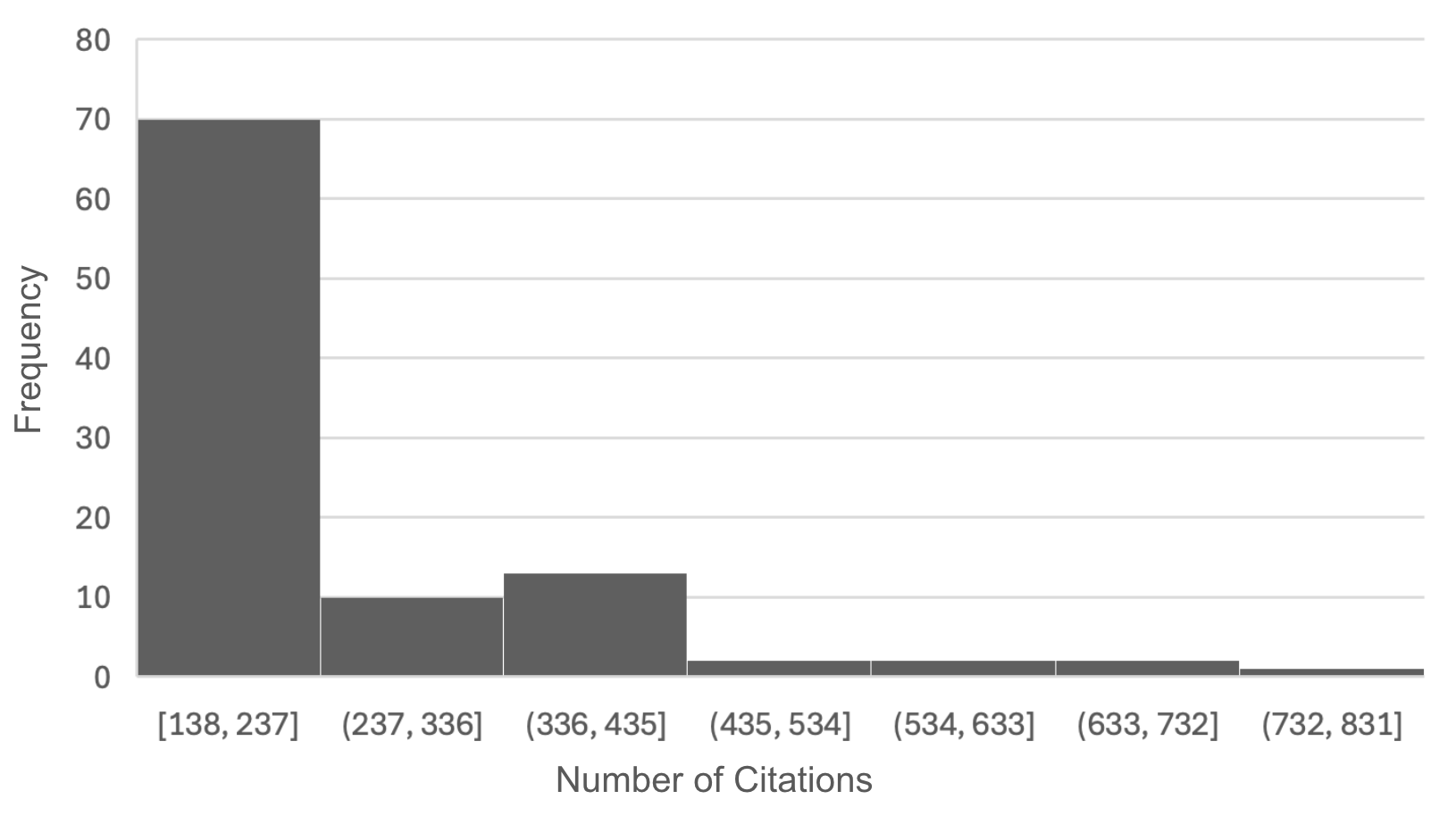 Figure 1: Frequency distribution of citations.
View Figure 1
Figure 1: Frequency distribution of citations.
View Figure 1
The included studies were published between 1965 and 2020. The majority of publications were published between 2000 and 2009, representing over half (n = 55, 55%) of the studies. Earlier decades represented even fewer studies, with only one study each representing the 1960-1969 and 1970-1979 decades. Studies published after 2010 accounted for less than a fifth (n = 17,17%) of the dataset (Figure 2).
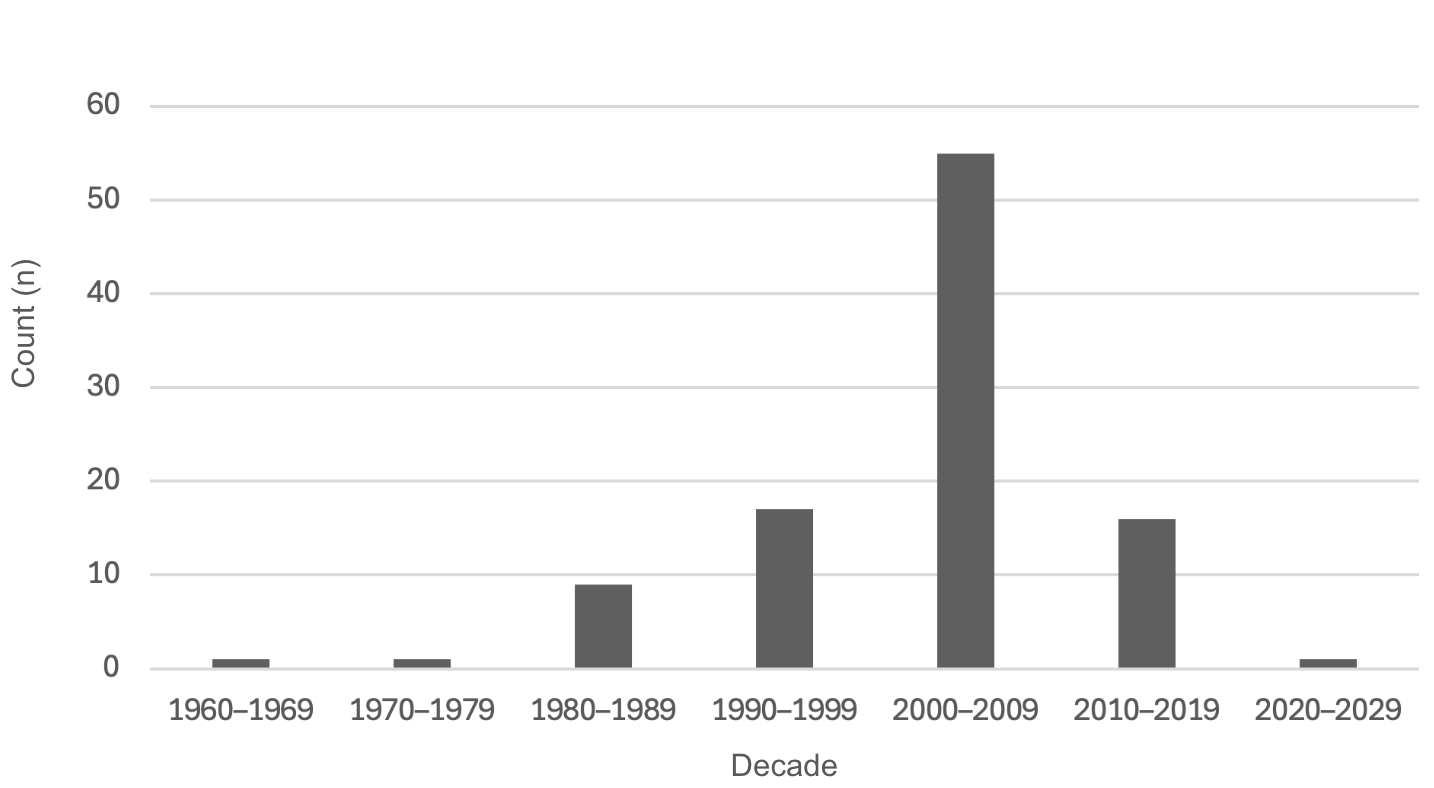 Figure 2: Decade of publication distribution of the 100 most-cited tonsillectomy articles.
View Figure 2
Figure 2: Decade of publication distribution of the 100 most-cited tonsillectomy articles.
View Figure 2
The top 100 studies were published across 37 journals. The journal Pediatrics represented the largest number of publications (n = 13, 13%), followed by Otolaryngology - Head and Neck Surgery (n = 11, 11%) and The Laryngoscope (n = 9, 9%). Collectively, the top six journals accounted for 50% of all included publications, while the remaining 34% were distributed among 26 journals (Figure 3).
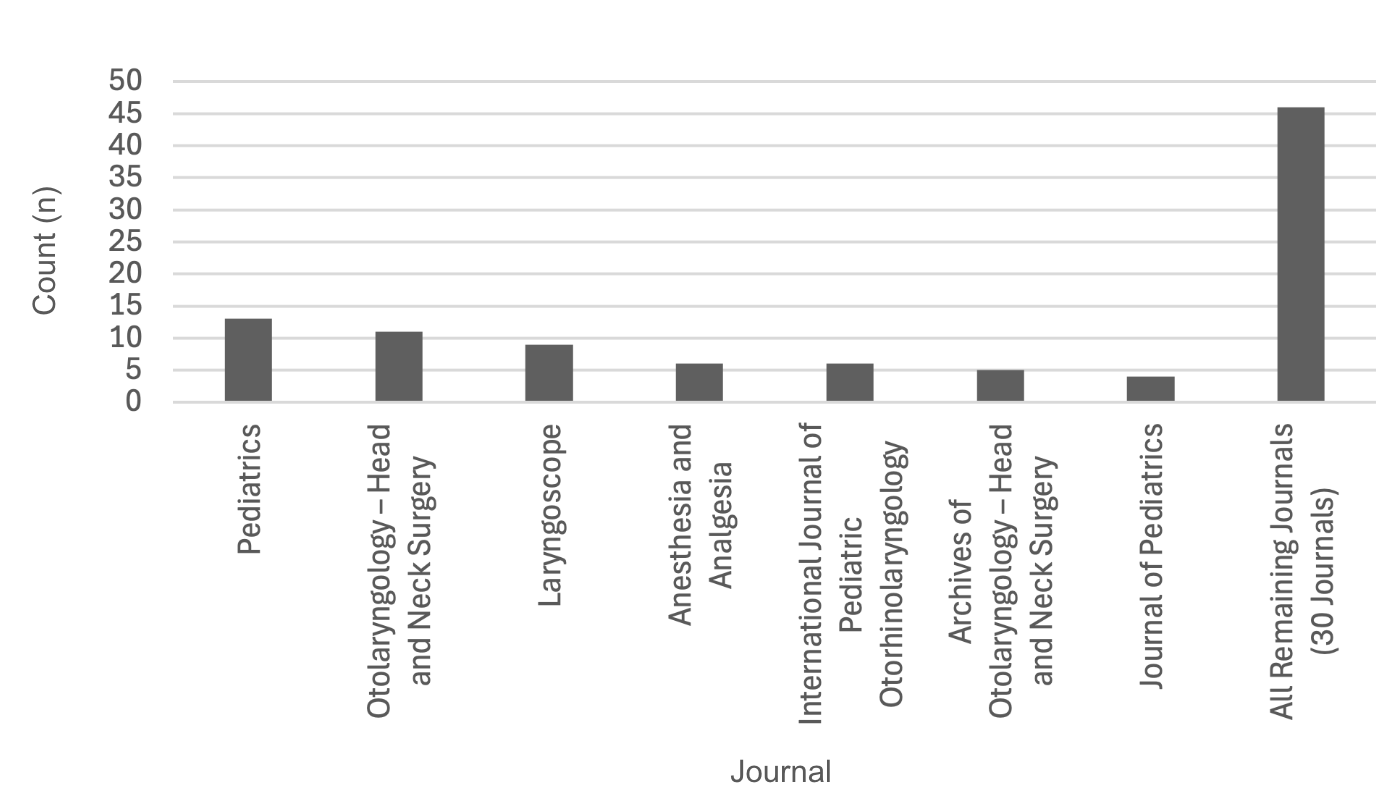 Figure 3: Journal distribution of the 100 most-cited tonsillectomy articles.
View Figure 3
Figure 3: Journal distribution of the 100 most-cited tonsillectomy articles.
View Figure 3
Authors were affiliated with institutions in 20 countries. The United States was the most represented country (n = 61, 61%), followed by the United Kingdom (n = 13, 13%) and then Canada (n = 6, 6%). All other countries individually represented 2% or less of the total publications (Figure 4).
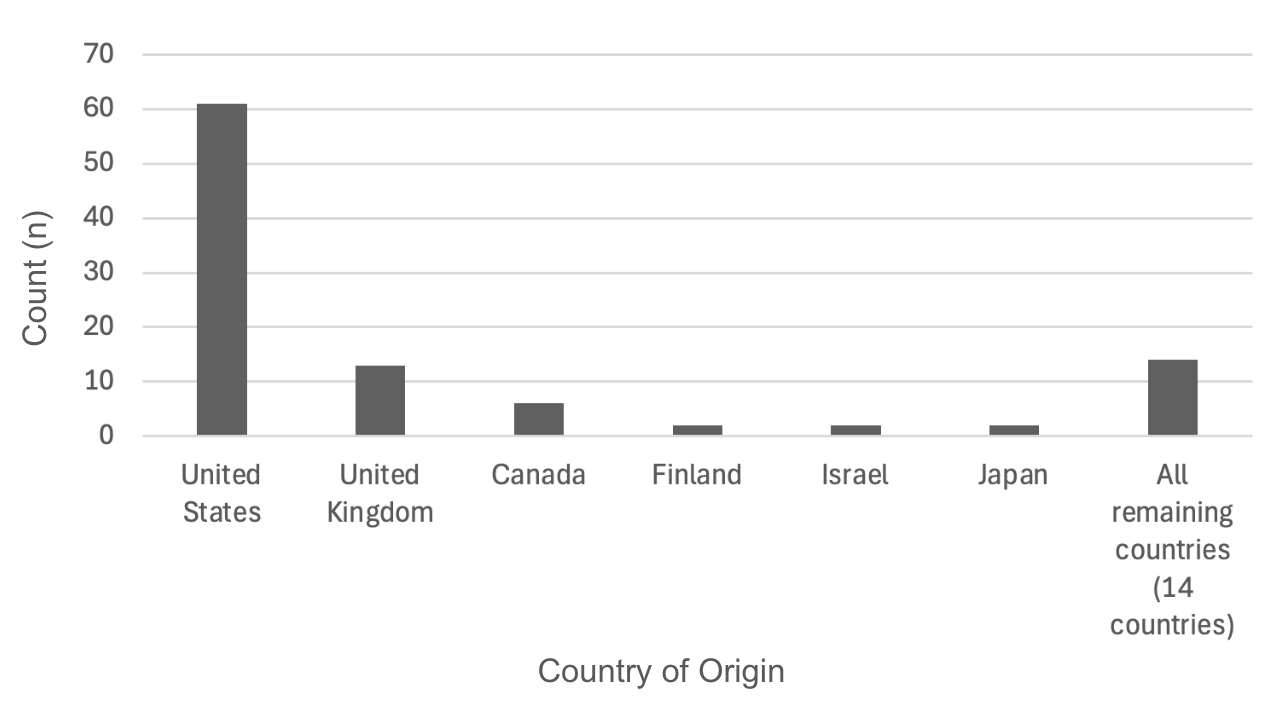 Figure 4: Country of origin distribution of the 100 most-cited tonsillectomy articles.
View Figure 4
Figure 4: Country of origin distribution of the 100 most-cited tonsillectomy articles.
View Figure 4
Five study design categories were used. Cohort studies were the most common study design (n = 49, 49%), followed by randomized controlled trials (n = 23, 23%) and then review/meta-analyses (n = 18, 18%). Case series (n = 7, 7%) and clinical practice guidelines (n = 3, 3%) represented the smallest percentages of the dataset (Figure 5).
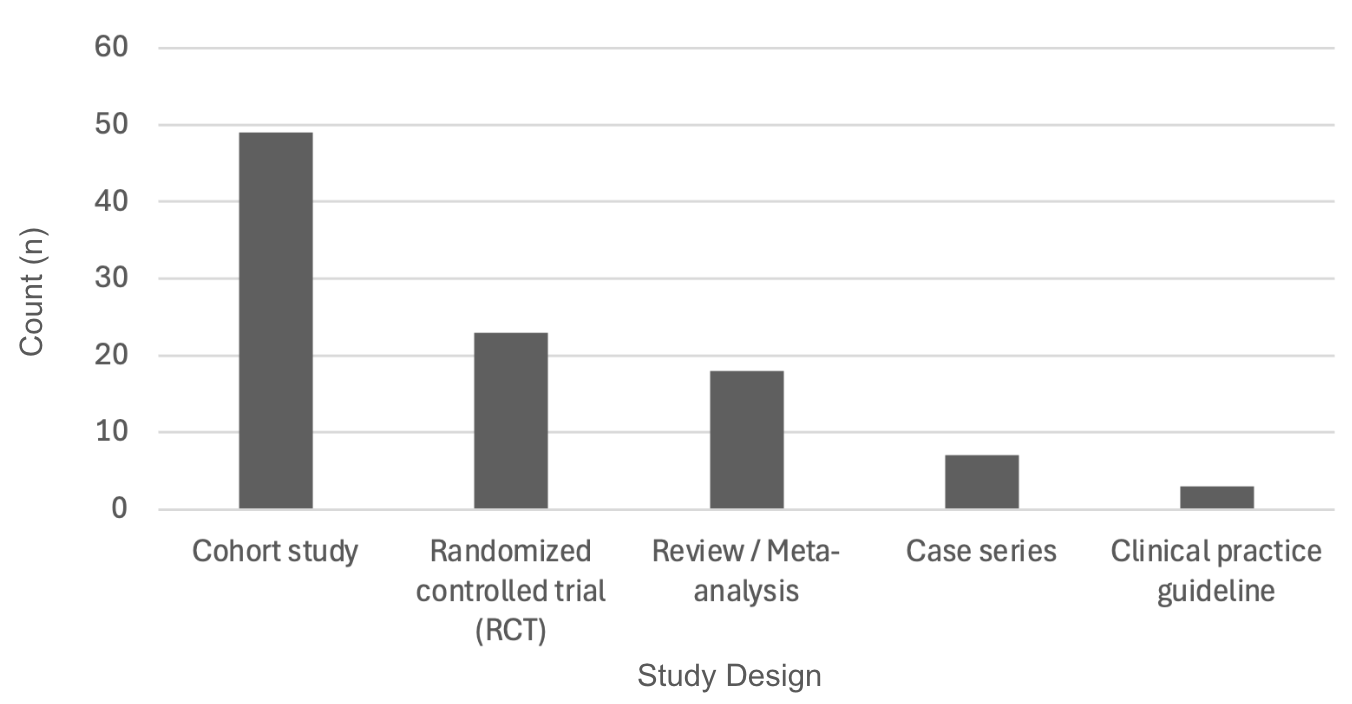 Figure 5: Study design distribution of the 100 most-cited tonsillectomy articles.
View Figure 5
Figure 5: Study design distribution of the 100 most-cited tonsillectomy articles.
View Figure 5
Past bibliometric analyses have generally explored ear, nose, and throat studies [9,10]. However, this study represents the first bibliometric analysis of tonsillectomy aiming to characterize the year of publication, journal, country of origin, study design, and citation trends of the 100 most cited publications on tonsillectomy. Analysis of publication years highlight that the most cited publications were mainly published between 2000 and 2009, which represented over half of the top cited studies. This decade overlaps with advances in anesthesia, surgical techniques, and postoperative pain management, particularly in pediatrics [11]. The prevalence of publications from this decade additionally holds the inherent citation advantage of having more years to garner more citations than that of 2010 to 2020, for example.
A notable trend exists between the distribution of journals and the publications within the top 100 cited. Although 37 unique journals are represented in the dataset, the top 3 journals (Pediatrics, Otolaryngology-Head and Neck Surgery, Laryngoscope) represent 33% of the top 100 publications. Institutions in the United States published the vast majority of studies in the top 100 cited, representing over 60% of the publications on tonsillectomy. Numerous other countries, including the United Kingdom and Canada, also contribute publications to the top 100 list, with the top three countries (United States, United Kingdom, Canada) representing 80% of all publications.
The majority of publications in this dataset represent lower levels of evidence. Nearly half of the publications being cohort studies, and despite their widespread citation, only around 20% of studies being randomized control trials.
This citation analysis method has some inherent limitations. First, citation count was used as a surrogate for academic influence, which may favor older publications which have had more time to garner more citations, and does not necessarily reflect quality or present day clinical relevance. Second, while citations may be considered a quantifiable measure of scientific impact, many studies may not adequately cite information, neglecting basic assumptions and relying on secondary sources. Citation selection can also be inconsistent, with some sources frequently cited while others remain underrepresented [12]. Third, self-citations may artificially inflate a publication's perceived scientific impact. Fourth, this analysis was limited to English-language publications. Finally, different citation-tracking databases may show differing citation counts. However, in this study, only a single database was employed, since using multiple databases may contribute to misrepresentative results.
Highly cited publications on tonsillectomy were most commonly published in 2000 to 2009, originated most often from the United States, and were most frequently disseminated through otolaryngology and pediatric specific journals. The most common study design was the cohort study, while randomized controlled trials and clinical practice guidelines represented smaller percentages of the total. These findings highlight the scarcity of higher level evidence and reliance on observational data. These trends may serve as a useful reference to understand the evolution of tonsillectomy research and to guide future research toward higher quality study designs.
The data used in this study were obtained from publicly accessible sources.
The authors declare no conflicts of interest.
No funding was received for this study.