
Background: Venous thromboembolism (VTE) following foot and ankle (FA) surgery is relatively uncommon but may result in significant morbidity, prolonged recovery, and serious complications including pulmonary embolism. Identifying patient- and surgery-specific risk factors is essential for effective risk stratification and targeted thromboprophylaxis. However, evidence regarding predictors of postoperative VTE in this population remains heterogeneous and inconsistently reported. This narrative review synthesises current literature to clarify key risk factors associated with VTE after FA surgery.
Methods: A structured literature search was conducted using combinations of five predefined keywords with Boolean operators across three major databases: PubMed/MEDLINE, Embase, and the Cochrane Library. Relevant clinical studies and reviews examining postoperative VTE incidence and associated risk factors in FA surgical populations were included. Data were extracted narratively and grouped into patient-related and surgery-related risk domains.
Results: Key patient-related risk factors included advanced age, active malignancy, medical comorbidities such as diabetes mellitus, cardiovascular disease, and chronic obstructive pulmonary disease, inherited or acquired thrombophilia, prior VTE, female sex, hormonal therapy (oral contraceptive or hormone replacement therapy use), and pregnancy or the postpartum period. Surgery-related risk factors were also prominent, particularly procedures involving the ankle and hindfoot, such as Achilles tendon rupture repair and ankle fracture fixation, postoperative immobilisation, and anaesthetic technique. Conversely, factors such as elevated body mass index, smoking, operative duration, and fracture severity demonstrated inconsistent or poorly defined associations with VTE risk.
Conclusion: Although postoperative VTE after FA surgery is infrequent, several identifiable patient and procedural factors increase risk. Recognition of these variables may aid clinicians in individualised risk assessment and prophylactic decision-making. Further high-quality, stratified research is needed to better quantify less well-defined risk factors and guide evidence-based prevention strategies.
Venous thromboembolism, Deep vein thrombosis, Pulmonary embolism, Foot surgery, Ankle surgery
VTE, encompassing deep vein thrombosis (DVT) and pulmonary embolism (PE), is a serious postoperative complication that can occur following orthopedic procedures, including FA surgeries [1,2]. The overall incidence of VTE following FA surgery ranges from 0.95% to 14.7%, with risk increasing based on various patient and surgery-related risk factors [3,4]. Nonetheless, the risk remains lower compared to major orthopedic procedures such as hip or knee arthroplasty, which has contributed to the comparatively limited research on postoperative VTE in patients undergoing foot and ankle surgery [5]. The consequences of VTE can be severe, with potential for significant morbidity, prolonged recovery, and even mortality in the case of PE [6]. As such, there is a clear clinical need to identify and understand the factors that predispose this patient population to thrombotic events.
The development of VTE results from the interplay of three key factors, collectively known as Virchow’s triad: endothelial injury, abnormal blood flow, and hypercoagulability (Figure 1) [7].
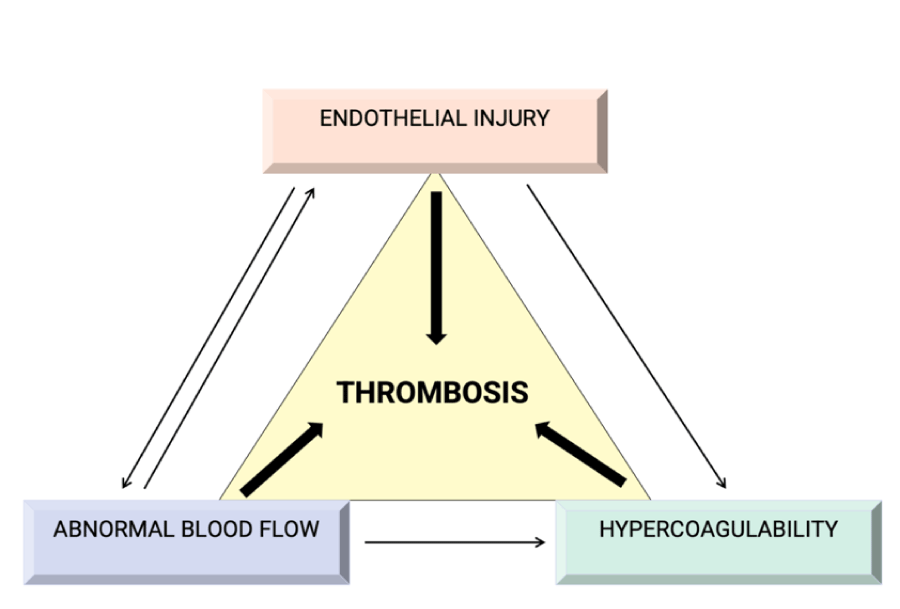 Figure 1: The three factors of Virchow's triad in the pathophysiology of thrombus formation.
View Figure 1
Figure 1: The three factors of Virchow's triad in the pathophysiology of thrombus formation.
View Figure 1
Patients undergoing FA surgery may fall into one or more of these categories, whether from underlying comorbidities such as cardiovascular disease (CVD), cancer, or diabetes or surgery-related factors such as prolonged operative time, tourniquet time and postoperative immobilisation. Accurate identification of these risk factors is central to effective risk stratification, allowing categorisation of patients based on their likelihood of developing VTE. Risk stratification enables clinicians to distinguish between patients at low, moderate, or high risk, ensuring that VTE prophylaxis is targeted to those who will benefit most. This avoids unnecessary anticoagulation in low-risk individuals, which carries its own risks, such as bleeding [8]. This narrative review seeks to synthesise the current evidence on patient- and surgery-related risk factors for VTE development following foot or ankle surgery, whilst exploring the relevant pathophysiological mechanisms.
A comprehensive search of peer-reviewed journals was conducted using search engines including PubMed/Medline, Embase, and Cochrane Library. Key words used for these searches were “venous thromboembolism”, “deep vein thrombosis”, “pulmonary embolism”, “foot surgery”, “ankle surgery”, and related terms. Boolean operators (AND, OR) were utilised to further refine search results. Studies were included if they investigated patients undergoing foot or ankle surgery and reported on VTE incidence or associated risk factors, were published in English, and involved human participants. No minimum or maximum participant age was set as an exclusion criterion. Studies were informally appraised for potential bias, considering factors such as study methodology, sample size, control of confounding variables, blinding procedures, outcome assessment, and reporting quality. Where possible, studies published within the past 10 years were prioritised to reflect contemporary surgical practices and risk profiles; however, older studies were included when more recent evidence was unavailable on a given topic, or when assessing the consistency of particular findings across time. Case reports, letters, editorials, conference abstracts, and studies which focused exclusively on pharmacological prophylaxis without baseline VTE risk assessment were excluded. Titles and abstracts were screened for relevance, followed by full-text review. Where suitable, additional papers were obtained by checking relevant references cited in other systematic or meta-analysis reviews. The potential impact of bias on the reported associations was carefully considered during the interpretation of findings. Discrepancies during screening or data extraction were resolved through discussion among reviewers.
Age : Increasing age is a well-established risk factor for VTE, with the association holding true in the context of FA surgeries. A 2020 cohort study by Staven et al found that patients who developed VTE following surgery for a closed ankle fracture were, on average, approximately 67 years old, compared to around 50 years for those who did not experience VTE (p < 0.001) [9]. This age difference of roughly 15 years underscores the role of advanced age in VTE development. This is supported by a recent retrospective study by Brennan et al (2023) who identified the same association in patients post foot or ankle fracture repair (p < 0.001) [10]. Furthermore, advanced age is often associated with a longer hospital stay and reduced postoperative mobility [11], which are both considered independent contributors to VTE risk [12]. There is a paucity of literature stratifying VTE incidence in older patients by event type (DVT vs PE), highlighting a potential area for future research.
Older patients are more likely to experience age-related physiological changes that contribute to thrombotic risk, including reduced venous return, increased blood coagulability, and a higher prevalence of comorbidities such as cardiovascular disease, malignancy, and reduced mobility [13]. These factors collectively increase the likelihood of venous stasis and endothelial dysfunction, both of which are key elements of Virchow’s triad in thrombogenesis [7]. There appears to be a lack of literature stratifying elderly patients (aged 65 and older) who developed VTE by their underlying comorbidities, highlighting a potential area for future research. Comorbidities play a significant role in increasing the risk of VTE following FA surgery, particularly with the increasing recognition of the complex interactions that facilitate coagulation following inflammation.
Cancer : A 2019 retrospective study claimed active or recent cancer is one of the strongest and most common comorbidities in VTE formation in the hospital setting [14]. This is supported by the American College of Foot and Ankle Surgeons, who also advocate for chemical VTE prophylaxis consideration in such demographics following foot or ankle surgeries [15]. Lin et al (1998) identified that the rate of DVT following surgery in the tibia and fibula among cancer patients receiving chemical prophylaxis was still as high as 12.5% [16]. However, more current studies involving contemporary prophylaxis practices and subsequent VTE outcomes would be necessary to support the modern applicability of these findings. The etiology of cancer-associated thrombosis is multifaceted. Some malignant cells can secrete tissue factor resulting in activation of the coagulation cascade and formation of Factor Xa, whilst other cancer cells can produce a procoagulant acting directly on Factor Xa to stimulate thrombin activation [17]. Additionally, medical oncological treatments such as chemotherapy have shown up to a 6-fold increase in VTE risk due to reduced anticoagulant activity, platelet activation and endothelial cytotoxicity which contribute to a prothrombotic state [18].
Chronic obstructive pulmonary disease (COPD) : Chronic obstructive pulmonary disease (COPD) is another comorbidity which shows a significant association with VTE following FA surgery [10,15]. Xia, et al. (2023) found that COPD patients receiving FA surgery were at a significantly (p < 0.05) increased risk of postoperative VTE, in contrast to above the hip surgeries (p > 0.05) [19]. COPD upregulates C-reactive protein, inducing a proinflammatory state through the production of inflammatory cytokines and tissue factors [20]. A meta-analysis by Cheng, et al. (2023) supports this, highlighting that COPD patients often have higher lung-borne inflammation markers and fibrinogen levels compared to non-COPD patients, particularly during acute exacerbations [21]. This further contributes to plaque instability and prothrombotic states. COPD patients have also been found to have significantly longer durations of hospital stay and higher readmission rates, further exacerbating the propensity for VTE through lengthened duration of immobility [20].
Cardiovascular disease (CVD) : Extensive evidence also suggests that cardiovascular disease (CVD) is a significant comorbidity associated with VTE following FA surgeries. Multiple meta-analyses identify a significant association between hypertension (HTN), coronary artery disease (CAD) and the risk of VTE following FA surgery [10,19]. Interestingly, Xia, et al (2022) identified no significant association between heart failure (HF) and VTE in FA surgical patients, in contrast to the majority of other studies that have reported a significant link [10,22]. Patients with CVD often experience systemic inflammation contributing to hypercoagulability. Gregson, et al (2019) highlights how CVD patients often have elevated levels of procoagulant factors such as fibrinogen and D-dimer, and reduced fibrinolytic activity [23]. This is exacerbated by the significant prevalence of HTN in CVD and HF patients, further exacerbating endothelial dysfunction and postoperative thrombus formation [24]. However, there is a notable lack of literature that stratifies CVD patients undergoing foot or ankle surgery by common comorbidities such as elevated body mass index (BMI), diabetes mellitus (DM), and smoking - each of which is an independent risk factor for VTE.
Elevated BMI : The relationship between elevated BMI (30kg/m 2 or higher) and postoperative VTE remains unclear in the literature. A retrospective study on 280 patients reported no significant association 4, whereas a larger cohort study on 22,500 patients highlighted elevated BMI as a major risk factor for postoperative VTE [25]. Similarly, the consensus statement by Fleischer et al (2015) similarly reported an increased VTE risk associated with elevated BMI across various FA surgeries [15]. An older study by Solis & Saxby (2002) highlighted how BMI was not linked to overall VTE incidence but was significantly associated with the development of occlusive DVT [26]. The lack of a consistent association in some studies makes it challenging to accurately assess the magnitude of its effect, highlighting the importance of more recent evidence. Obesity raises intra-abdominal pressure, which can contribute to venous stasis in the lower limbs - a well-established precipitant of DVT [27]. This factor is exacerbated by the intrinsic reduced mobility of the obese [28]. Obesity is also linked to low-grade systemic inflammation and increased circulating levels of procoagulant factors such as fibrinogen and plasminogen activator inhibitor-1 (PAI-1), further increasing VTE risk [29].
Diabetes mellitus : DM is increasingly recognised as an independent risk factor for VTE formation following FA surgery. Jameson, et al. (2011) reported that patients with type 2 diabetes mellitus (T2DM) had 15 times greater odds of developing postoperative VTE compared to non-diabetic individuals following foot or ankle surgery [30]. When considering more recent studies, there appears to be no dispute of this significant association [10,19,31,32]. Both Fleischer, et al. (2015) and the 2022 International Consensus Meeting on Venous Thromboembolism highlighted that diabetic patients face an increased risk of postoperative VTE, largely due to persistent hyperglycemia and commonly associated comorbidities [15]. As a result, they recommended that VTE prophylaxis be considered for this high-risk group. There appears to be a lack of studies that stratify VTE risk based on diabetes severity and control, such as the presence of microvascular and macrovascular complications. Such stratification in future research could help identify high-risk subgroups and refine prophylactic strategies. DM is theorised to contribute to postoperative VTE development through its influence on all three aspects of Virchow's triad. Chronic hyperglycemia damages the vascular endothelium, impairing its natural antithrombotic properties through increased expression of adhesion molecules and proinflammatory cytokines. Liu, et al (2022) further describes how hyperglycemia promotes tissue factor (TF) transcription in monocytes [31]. This enhances the propensity for activation of the extrinsic coagulation pathway. Moreover, postoperative recovery in diabetic patients is often complicated by neuropathy and poor wound healing [33]. Both factors can prolong immobility in the postoperative period, contributing to venous stasis and VTE development.
Smoking : Smoking is a well-established risk factor for atherosclerotic disease [34]; however, its role as a risk factor for postoperative VTE in foot or ankle surgery patients remains unclear due to a lack of conclusive evidence. Only two studies appear to have investigated this association, and they report conflicting conclusions. Brennan, et al. (2023) reported a positive association between the factors, while Park, et al. (2024) found no such significant relationship [4,10]. It is also worth noting that both studies focus exclusively on tobacco-based smoking and do not consider other nicotine delivery methods, such as e-cigarette use. Given the rising popularity of e-cigarettes in recent years [35], further research is needed on both traditional and alternative smoking modalities to draw more definitive conclusions. However, when evaluating the overall impact of smoking on VTE formation, the majority of studies report either no significant association or only a slightly increased risk [21,36]. Carruzzo, et al (2016) theorises smoking promotes thrombus formation through endothelial damage and the suppression of anticoagulant pathways [36]. However, the applicability of these findings to FA surgical patients still remains questionable.
Thrombophilia : Patients with thrombophilia are at significantly higher risk of developing postoperative VTE due to their underlying hypercoagulable state [3]. Notably, a holistic retrospective review including 298,000 patients identified Factor V Leiden patients were at 24 times greater risk of VTE following foot or ankle surgeries, making it the second strongest risk factor identified in the study, after a history of prior VTE [37]. This is widely supported in the literature, with Zambelli, et al. (2021) and Fleischer, et al. (2015) identifying Factor V Leiden as the most strongly associated thrombophilia with postoperative VTE [2,15]. Notably, a Clinical Consensus Statement by Fleischer et al. (2015) highlights that Factor V Leiden has been associated with up to 20% of postoperative VTE cases [15]. Nevertheless, other thrombophilias such as elevated factor VIII have also shown significant associations with VTE following foot or ankle surgery2. However, all available literature appears to be retrospective and observational, with a lack of prospective cohort studies assessing the relationship. There also appears to be an underrepresentation of less common thrombophilias (e.g. antithrombin deficiency, protein C/S deficiency) which may lead to incomplete risk stratification. Moreover, most studies fail to stratify patients by their history of prior VTE, despite it being a well-established independent risk factor for recurrent thromboembolic events.
History of VTE : A previous thromboembolic event indicates an underlying predisposition to hypercoagulability, whether due to inherited thrombophilia, acquired risk factors, or both [38]. This prothrombotic tendency may be driven by abnormalities in the coagulation cascade, impaired fibrinolysis, or chronic endothelial dysfunction. Such factors persist long after the initial event and heighten susceptibility to recurrence [39]. Gouzoulis, et al. (2022) identified a prior history of VTE as the strongest independent predictor of postoperative VTE in FA surgery patients, with affected individuals facing a 25-fold increased risk [37]. This finding is widely echoed in the literature, with prior VTE consistently identified as the strongest predictor of postoperative VTE in FA surgery patients [4,25].
Sex : Several recent cohort analyses suggest that female sex is an independent, but modest, predictor of postoperative venous-thromboembolism (VTE) after FA surgery. In a National Surgical Quality Improvement Program study covering more than 15,000 FA procedures, Huntley, et al (2019) highlighted female gender showed significantly increased risk of postoperative DVT (p < 0.05) [40]. More recently, a large registry analysis echoed these findings, reporting that women had a higher odds of VTE even after controlling for body-mass index and comorbidities, whereas men and women otherwise shared similar baseline characteristics [41]. However, this finding is not universal amongst studies. Both Ahmad, et al. (2017) and Brennan, et al. (2023) identified no significant difference in VTE incidence in regard to sex (p > 0.05) [10,42]. The seemingly conflicting findings about sex and postoperative VTE risk largely reflect methodological and population-level differences across studies rather than a true biologic contradiction. Studies that report a higher VTE rate in women pooled a broad mix of elective and non-elective procedures and counted only symptomatic events within 30 days. In these settings, female patients were on average older, had higher rates of estrogen exposure (oral contraceptives, hormone-replacement therapy, peri-partum status) and varicose veins, and were more frequently immobilised as in-patients-all variables that cluster with, and can magnify, thrombosis risk. Studies that find no sex effect, or even a slight male excess, tend to differ in design. Many examine isolated trauma cohorts (ankle fractures, Achilles ruptures) in which men are over-represented, present with higher-energy injuries, smoke more and arrive with greater comorbidity burdens. Studies which adjust for those factors often neutralise the apparent female disadvantage and can even tip the odds toward males [43].
Hormonal and reproductive factors : Hormonal therapies such as the oral contraceptive pill (OCP) and hormone replacement therapy (HRT) have historically been considered significant prothrombotic risk factors. Felcher, et al (2009) highlighted a 4 times greater risk of postoperative VTE formation in patients using OCP/HRT within 3 months of foot or ankle surgery. This appears to be a well-established and consistent finding in the literature [15,25,44]. Goldhaber, (2010) notes that the risk of postoperative VTE in HRT users is highest during the first year of therapy, a finding that is also observed in men receiving estrogen-based HRT for prostate cancer [45,46]. However, there do not appear to be any studies in the past seven years that have investigated this association. Further research is thus required utilising modern OCP, such as Nextstellis and Slinda to assess the modern applicability of the relationship. For example, progesterone-only pills such as Slinda are deemed to have noticeably reduced risk of VTE 46. In contrast, estrogen-containing OCPs and HRT are known to significantly elevate VTE risk through several well-established mechanisms. Estrogen upregulates hepatic production of various procoagulant proteins, including fibrinogen and prothrombin [47]. Simultaneously, estrogen decreases levels of anticoagulant proteins, particularly protein S. This imbalance shifts the hemostatic system toward clot formation. Estrogen also increases levels of PAI-1, reducing the breakdown of fibrin clots and further enhancing clot persistence and propagation [48]. A survey of orthopedic surgeons revealed 44% of surgeons advise discontinuation of OCP in the perioperative period [49]. Previous studies have shown that the risk of VTE increases from 3 weeks after surgery in middle-aged women and can persist for up to 12 weeks. As such, the extended discontinuation of OCPs may raise the likelihood of unintended pregnancy.
Pregnancy and the postpartum period are both known risk factors for VTE. This is due to the physiological activation of the coagulation system coupled with a decrease or inactivation of anticoagulant and fibrinolytic systems [50]. However, no studies currently appear to specifically examine the prevalence of VTE in pregnant patients undergoing foot or ankle surgery, highlighting an opportunity for future research.
The risk of VTE in FA surgery increases with proximity of the surgery to the knee. Jameson, et al. (2011) found that patients undergoing hindfoot arthrodesis and ankle fracture surgery were at 8-17 times greater risk of developing VTE compared to the general population, while those undergoing total ankle replacement surgery were at 2-3 times greater risk [30]. Large cohort analyses further demonstrate this trend. In a cohort study of 104336 patients, forefoot surgeries such as bunionectomies and hammer toe procedures had the lowest VTE incidence at one month postsurgery with 0.65% and 0.76% respectively while more proximal surgeries such as Achilles repair and Watson-Jones procedure have higher rates of VTE (1.32% and 1.21% respectively) [51]. Similarly, in another study of 301,256 patients undergoing elective FA surgery, there was a higher incidence and risk for VTE at 30 days post-surgery in patients undergoing midfoot/hindfoot surgery (1.22%, OR = 1.75 p < 0.001) and lower leg/ankle surgery (1.76%, OR= 2.53, p<0.001) than forefoot surgery [3]. Richey, et al. (2018) notes that their study found the lowest incidence of VTE among midfoot cases likely due to earlier ambulation than the hindfoot cohort [25]. Hindfoot surgeries are often longer and involve greater tissue dissection, followed by prolonged immobilization [15]. This combination impairs the calf muscle pump, increasing venous stasis and altogether predisposing patients to VTE [15].
Achilles tendon rupture (ATR) is associated with a significantly higher risk of both asymptomatic and symptomatic DVT compared to other FA injuries. In an observational cohort study by Solan, et al. (2025), the rate of VTE among ATR patients was 3.69%, whereas the rate for all other FA surgeries was 0.57%, indicating that ATR patients are 6.5 times more likely to experience symptomatic VTE than those recovering from other FA procedures [52]. This is supported by the recent UK-FATE trials, which similarly identified a 3.7% incidence of VTE in ATR surgery patients, identifying it the FA trauma diagnosis with the higest VTE risk [32]. This elevated risk is thought to result from the anatomical proximity of the Achilles tendon to the deep veins of the calf, where local inflammation and endothelial dysfunction following acute rupture contribute to the pathogenesis of VTE, in accordance with Virchow’s triad [52]. A retrospective cohort study comparing open surgical repair of ATR with minimally invasive techniques reported DVT rates of 9.0% for open repair and 8.5% for minimally invasive repair (p > 0.99), indicating that the surgical approach itself is not a risk factor in postoperative DVT development [53]. Furthermore, a meta-analysis of 2060 ATR patients demonstrated that the combination of treatment and rehabilitation strategy may be more predictive of DVT than the choice of conservative versus surgical management [54]. The greatest mean DVT incidence in this study was observed among patients managed non-surgically or with open repair with accelerated rehabilitation. Conversely, the lowest incidence was among those who underwent open surgery or non-operative management with early immobilisation, suggesting that the traditional assumption that greater immobilisation would equate higher risk of DVT may not always apply. This paradox may be explained by insufficient weight-bearing or movement in accelerated rehabilitation programs which may not be enough to promote venous return via calf muscle pump. Reduced early weight-bearing on healing tissue may also minimize further vascular disturbance to the tissue, thus lowering the VTE risk. These findings highlight the importance of emphasizing meaningful weight-bearing as part of postoperative rehabilitation to mitigate VTE risk [54].
Despite this increased risk, the absolute incidence of symptomatic DVT remains relatively low when compared to other major orthopaedic procedures, with large-scale studies reporting DVT rates of 0.43%-15.6% and pulmonary embolism (PE) rates of <1.1% [55-58]. However, the incidence of asymptomatic DVT can be as high as 49% [59]. Given the low rates of symptomatic DVT and PE, routine thromboprophylaxis is not universally recommended. Instead, individualized risk stratification and large-scale randomized controlled trials, particularly focused on ATR patients, are needed to clarify the effectiveness and cost-benefit of current prophylactic guidelines.
The association between ankle fracture severity and VTE risk remains uncertain. Several studies have found no statistically significant association in DVT risk among patients with unimalleolar, bimalleolar, and trimalleolar fractures [60,61]. However, surgical repair of distal tibia fractures with fibula fixation (VTE incidence of 3.3 %, p = 0.013) and distal tibia fractures with fibula and tibia fixation (VTE incidence of 1.9 %, p = 0.048) have significantly higher rates of VTE. In contrast, procedures for unstable bimalleolar fractures, trimalleolar fractures (fixed or partially fixed), distal tibia fracture with only tibia fixation, calcaneal fracture with bone graft, and talus fractures have not demonstrated increased VTE incidence compared to other surgery types. These findings indicate that fracture severity alone does not reliably predict VTE risk [10].
Additional fracture characteristics have been explored for their impact on VTE risk. For instance, traumatic ankle fractures from heights or motor accidents was not a significant factor when compared to ankle fractures caused by falls from standing height 61. Conversely, open fractures are associated with a greater risk of PE when compared to closed fractures (OR 1.63, CI 1.05-2.54, p = 0.003) 60. These findings highlight that VTE risk stratification cannot equate severity of fracture with greater risk, instead suggesting that certain combinations of fracture severity and location, alongside treatment approach may increase the chance of VTE development, secondary to other risk factors present, particularly immobilization, non-weightbearing, and surgery duration.
There is conflicting evidence as to whether conservatively or surgically managed ankle fractures have a greater risk of VTE. Kohli, et al. (2024) studied 209,595 patients with closed foot and ankle fractures and found that surgery was associated with a decreased risk of both DVT and PE after adjusting for confounders with an OR of 0.495 (CI 0.429 - 0.572, P < 0.001), in which there were no significant differences in the incidence of DVT and PE based on type of procedure performed [62]. Conversely, Bariteau, et al. (2015) found that among a geriatric (> 65 years old) cohort of 19 648 patients with ankle fractures, surgical management was significantly associated with increased risk of DVT and PE when compared to nonoperative management [63]. DVT was also significantly associated with mortality (OR 1.53, p = 0.0004) [63]. This may suggest that ankle fractures should be managed conservatively for geriatric patients whereas other demographics may benefit from surgery in the context of reducing VTE risk. Further research is required to clarify optimal management strategies to minimize VTE risk across patient populations.
Traditional immobilization protocols of 2-8 weeks have been shown to substantially increase the risk of DVT, primarily due to venous stasis from loss of the calf muscle pump. Nemeth, et al. (2019) reported that cast immobilization raises the absolute DVT risk to approximately 2.0-2.1% within three months-over 50 times higher than the baseline risk in the general population [64]. Richey, et al. (2018) found that immobilization for 2-8 weeks increased the odds of VTE by nine times compared to immobilization for less than two weeks or more than eight weeks, though the potential protective effect of immobilization beyond eight weeks warrants further investigation [25]. In ankle fracture surgery, Lapidus, et al. (2007) demonstrated that cast immobilization tripled the risk of VTE compared to ankle orthosis use following ankle fracture surgery [65].
The literature is mixed regarding the individual contributions of immobilization and nonweightbearing to postoperative VTE risk. Horner, et al. 2019 identified immobilization as the predominant risk factor, whilst an older study by Mizel, et al. (1998) observed both were significant risk factors with a statistically significant, albeit small increase in DVT risk with nonweightbearing regimens (RR 1.004, p = 0.01) [66]. Recent studies evaluating early functional mobilization (EFM) after ATR surgery have not demonstrated a significant reduction in DVT incidence. This may be attributable to insufficient weightbearing on the injured limb during the first postoperative week, resulting in inadequate activation of the calf muscle pump. Aufwerber, et al. (2020) found that patients unable to bear at least 50% of their body weight on the injured limb by week one had a 4.3-fold increased risk of DVT, a finding corroborated by Barg, et al. (2011), who also identified incomplete postoperative weightbearing as a significant risk factor [67]. These data suggest that postoperative management following ATR should prioritize achieving adequate weightbearing and effective pain control, rather than focusing solely on step count, to optimize DVT prevention.
General anesthesia is recognized as a risk factor to VTE development when compared to regional anesthesia. In a study of 1451 patients undergoing ankle fracture surgery, general anesthesia was identified as an independent risk factor for DVT with an odds ratio of 3.51 (95% CI: 1.44-8.55) compared to regional anesthesia [61]. However, a larger study of 22,486 patients undergoing FA surgeries found that general anesthesia was not a statistically significant independent risk factor for VTE after adjusting for confounders, despite an OR of 2.0 (95% CI: 1.1-3.8) [25]. This suggests that general anesthesia may not always be an independent predictor of VTE risk in diverse surgical populations and underscores the importance of individualized risk assessment 25. Nonetheless, evidence from large cohort studies of total hip arthroplasty (THA) and total knee arthroplasty (TKA) support an increased risk of VTE with general anesthesia [68,69].
The elevated risk of VTE are attributed to physiological effects of general anesthesia such as reduced cardiac output and increased venous dilation, altogether leading to venous stasis, a key component of Virchow’s triad [70]. General anesthesia may also activate platelet membrane glycoprotein, facilitating platelet activation and further contributing to thrombosis risk [71]. In contrast, regional anesthesia demonstrates protective properties against VTE. Mechanisms include vasodilation and increased lower limb blood flow, reduced blood cell adhesion to vessel walls, and a profibrinolytic effect, all of which help prevent venous stasis and a hypercoagulable state [44]. Regional anesthesia also facilitates improved pain control and earlier postoperative mobilization, further reducing VTE risk [61].
However, several studies challenge the use of regional anesthesia for VTE prevention in orthopedic surgery. A multicentre prospective observational trial of 2162 patients undergoing TKA and THA found that spinal anesthesia was significantly associated with an increased risk of VTE while epidural anesthesia demonstrated a tendency for decreased VTE risk, albeit not statistically significant owing to the relatively small sample size. Nonetheless, this finding may be attributed to the greater pain management epidural anesthesia provides, enabling earlier mobility [72]. Recent evidence suggests that combining general anesthesia with peripheral nerve blocks may reduce postoperative risk of DVT compared to neuraxial anesthesia alone in TKA. Peripheral nerve blocks (PNB) when added to general anesthesia may replicate some of the hemodynamic benefits of neuraxial anesthesia by modulating sympathetic tone and improving postoperative analgesia, facilitating earlier ambulation and further mitigating VTE risk [73]. Further research is warranted to clarify the VTE risk associated with combination anesthesia regimens in FA surgery.
Prolonged surgical duration is associated with a linear increase in risk of VTE across various surgical specialties. A study of over 1.4 million surgical patients have demonstrated that patients undergoing the longest procedures experienced a 1.27-fold increase in VTE odds compared to average-duration procedures, while shortest procedures had a 0.86-fold risk reduction [74]. The likely mechanism involves the prolonged immobility which promotes venous stasis. When compounded by perioperative vascular trauma and subsequent inflammation, a hypercoagulable environment is created, elevating VTE risk [74]. However, in the context of FA surgery specifically, evidence remains limited and mixed. In a study of 15,342 patients undergoing FA surgery, Brennan, et al. (2023) found that the 1.2% of patients who experienced VTE spent on average 10.65 more minutes in the operating room 10. Despite this difference, prolonged surgical duration was not accounted for as an independent risk factor. Similarly, another study examining foot and ankle procedures exceeding 60 minutes also did not identify surgical duration as a statistically significant predictor of VTE after adjusting for confounding variables [25]. Nonetheless, prominent international bodies guidelines use surgical duration to indicate thromboprophylaxis. ESAIC recommends prophylaxis for any surgery lasting over 120 minutes while NICE advises for anesthesia time over 90 minutes [75,76]. Similarly, the Caprini score, one of the most common risk stratification systems for VTE, suggests that operations longer than 45 minutes are at greater risk [77]. While the overall incidence of VTE remains low after FA surgery, significantly prolonged operative time should be included in individualized risk assessment protocols. Further research is needed to define duration thresholds that justify pharmacologic prophylaxis specific to this subspecialty.
Reducing VTE morbidity following foot and ankle surgery requires careful consideration of both patient-specific and procedure-related factors (Table 1). Although the absolute incidence of VTE remains relatively low when compared to major orthopedic procedures, its potential for serious morbidity and mortality makes it a clinically significant concern. Refining existing VTE risk stratification and prediction models would be paramount to optimise patient outcomes while minimizing unnecessary use of prophylaxis and associated bleeding complications. Future research should aim to stratify risk by comorbidities and evaluate the effectiveness of modern prophylactic regimens in high-risk demographics such as cancer patients, elderly or those with significant immobilisation following foot and ankle surgery. Additionally, optimising anesthesia protocols and mobilization strategies based on risk factors may further improve VTE prevention and patient outcomes in this surgical population. Moreover, there is a notable lack of research reporting VTE incidence in foot and ankle surgery patients stratified by event type (DVT vs PE), an important gap given the differences in potential severity. Further studies focusing on this distinction are warranted to better inform risk assessment and management strategies.
Table 1: Overview of key postoperative VTE risk factors and their underlying pathophysiological mechanisms. View Table 1
None.
The initial research question was devised by LM and AC, with assistance from SP in narrowing down the specific scope of research. LM and AC conducted the primary literature search, synthesis of key information and writing of the manuscript. DB and SP assisted in reviewing the structure, relevance, and accuracy of the synthesised information. All authors were involved in providing final edits. All authors have given final approval for the current version to be published.
None.
None.
The authors declare that there is no conflict of interest.
This article did not involve the recruitment of human participants, the use of identifiable personal data, or animal experimentation. Therefore, ethical approval was not required.
Data sharing is not applicable to this article as no new datasets were generated or analysed.